


- Introduction
- Boiling -- The Foundation of Many Dishes
- Steaming -- Pure, Gentle, and Healthy
- Poaching -- Subtle and Sophisticated
- Blanching -- Quick and Effective
- Roasting -- Rich, Golden, and Aromatic
- Baking -- Precision and Perfection
- Grilling -- Smoky, Charred, and Flavorful
- Broiling -- The Upside-Down Grill
- Frying -- Crisp, Golden Indulgence
- Sauteing -- Quick and Flavorful
- Braising -- Tender and Flavor-Infused
- Stewing -- Comfort in a Pot
- Smoking -- Infusing Depth and Aroma
- Sous-Vide -- Precision Cooking at Its Best
- Choosing the Right Method
- Conclusion
Introduction
Cooking is an art and science a process of creativity that transforms basic ingredients into delicious nutritious dishes. Over time and across different cuisines how food preparation can affect the flavor, texture, and even its nutritional worth. From roasting, frying, and cooking to grilling or steaming every method adds something distinctive to the dinner table.
In this definitive guide to various cooking techniques, we’ll go over how to make the most of the world’s kitchens and the best ways to use them to get what’s best about every dish.
Boiling — The Foundation of Many Dishes
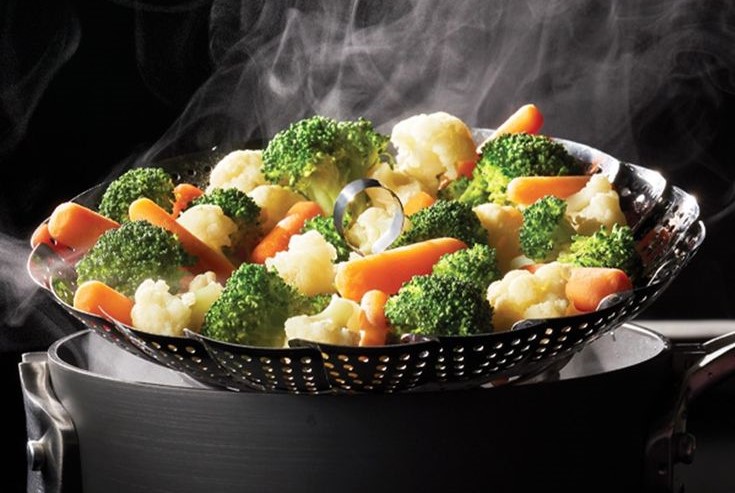
Boiling is a most common and commonly used cooking techniques. The process involves boiling food in broth or water at 100degC (212degF) until it becomes tender. This is typically used to cook rice, pasta, eggs and other vegetables.
It is unique in that The fact that boiling preserves moisture makes it ideal for food items which absorb flavor easily. For a better taste, spice your drinking water with salt, spices or even the stock.
Steaming — Pure, Gentle, and Healthy
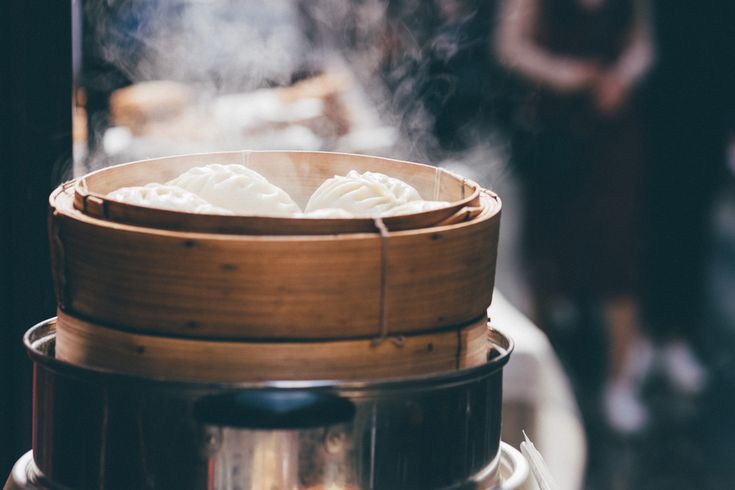
Steaming cooks food by heating liquid instead of direct contact with water. It preserves nutrients, color and texture more effectively than other methods. This makes it the preferred choice of people who are conscious of their health.
The most common dishes are dim amounts, fillets of fish, dumplings, as well as vegetables.
It is unique in that is that it doesn’t require oil, it preserves vitamins as well as keeps food moist as well as moist. It is also naturally delicious.
Poaching — Subtle and Sophisticated
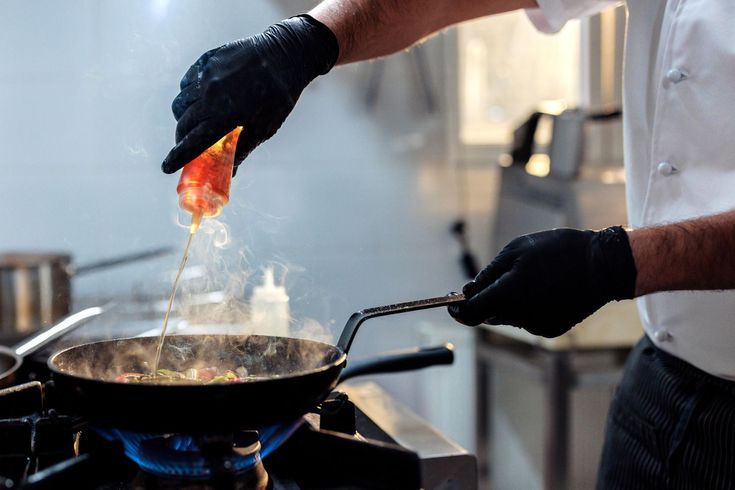
Poaching is an easy technique for cooking food with liquids at a lower temperature (around 70 to 80 degrees Celsius). It is ideal for delicate items like eggs, fish or even fruit, it provides the tenderness of food without the toughness.
The thing that makes it special is Controlled temperature helps prevent the overcooking process and preserves its their natural texture and flavour.
Blanching — Quick and Effective
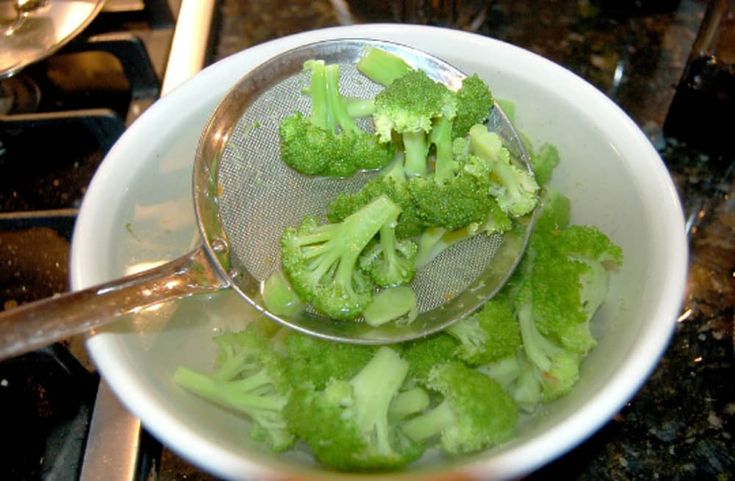
Blanching is the process of boiling food briefly and then dumping it in freezing water in order to end cooking. This method helps to keep color, texture and the nutrients that are typically used prior to making it frozen or for later cooking.
It is unique in that: Blanching enhances the color of veggies and makes the the process of peeling almonds, tomatoes, or peaches much simpler.
Roasting — Rich, Golden, and Aromatic
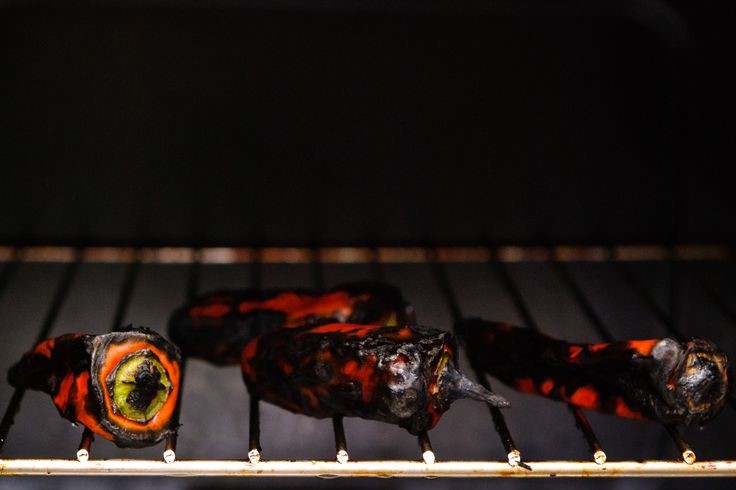
Roasting makes use of dry heat, usually in the oven to evenly cook food while making a crispy outer layer and a tender inside.
Foods that are commonplace: Whole poultry, veggies as well as meats.
Its uniqueness What makes it unique is that the high temperature caramelizes sugars and fats to create delicious, complex flavors as well as amazing golden colors.
Baking — Precision and Perfection
Baking is like roasting, but generally associated with breads and sweets, and pastries. Baking uses dry heat to turn batter or dough into fluffy, light desserts.
Unique The fact that it’s both science and art. Precision measurement, heat, as well as patience, yield the most delicious tastes and textures.
Grilling — Smoky, Charred, and Flavorful
Grilling cooks food in hot flames, usually over gas, charcoal or even wood. Grilling is quick, high-heat cooking that adds flavours with a spicy scent.
Foods that are commonplace: Kebabs, burgers, vegetable stews and steaks.
The thing that makes grilling unique is Grilling provides food with a distinct charcoal and caramelization, and keeps it moist inside which is ideal to enjoy outdoor dining.
Broiling — The Upside-Down Grill
Broiling cooks food using heat that is above usually in the oven’s top section. Broiling quickly cooks and browns food in a similar way to grilling but in the opposite direction.
Its uniqueness: Broiling is perfect for making crisp, crispy dishes like seafood, casseroles or dishes topped with cheese.
Frying — Crisp, Golden Indulgence
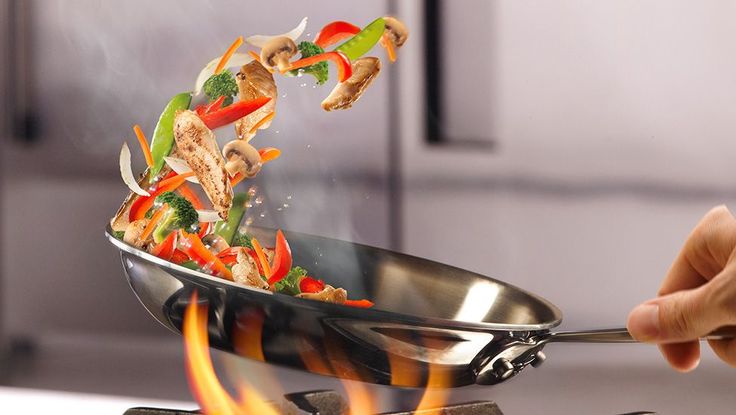
Frying heats food by cooking it in hot oil. It creates crispy textures and rich tastes. There are many types of
- Deep-frying is the process of submerging food in boiling hot oil completely (e.g. fries, fries doughnuts).
- Shallow fry: Using less oil, cooking a single portion at a time (e.g. cutlets or pancakes, etc.).
- Stir-frying: Rapid cooking over the highest temperature with minimal oil (common common Asian food).
- The thing that makes it different It enhances the color, flavor and texture, but is best done with caution so as to not create excessive grease.
Sauteing — Quick and Flavorful
Sauteing is the process of cooking foods quickly on high heat with the presence of a tiny amount of fat. The ingredients like garlic, onions and other vegetables are frequently sauteed in order to let their flavor out before adding the other ingredients.
Its uniqueness is that is that it locks in the flavour and texture while not loss of nutrition, making it the foundation of many meals.
Braising — Tender and Flavor-Infused
Braising is a combination of moist and dry heat. Foods are first brown (seared) followed by a slow simmered in liquid, typically stock, wine or sauce.
Most common meals: Pot roast, curries and stews.
Its uniqueness: Slow cooking is a method of breaking up tougher cuts of beef making it melt in your mouth flavor.
Stewing — Comfort in a Pot
Similar to braising, stowing is akin to preparing however, it involves smaller food items totally immersed in the liquid. It’s great for stews and meals using rich sauces.
It is unique in that The long simmering process allows the flavors to mix, creating delicious, comforting dishes such as curries and vegetable stews.
Smoking — Infusing Depth and Aroma
Smoking is a method of cooking and flavoring food with the help of smoke from charcoal or wood. Smoke can be either cold or hot, based on the flavor you desire.
Most common meals: Smoked cheeses, meats, and even fish.
Its uniqueness The smoke adds a distinct taste profile that’s both traditional and sophisticated.
Sous-Vide — Precision Cooking at Its Best
“Sous-vide” (“under vacuum”) involves putting food into airtight containers, and then cooking the food in a bath of water with a temperature precisely controlled over a long period of time.
Unique This method ensures consistency result, by sealing in juices while maintaining perfection in cooking — highly coveted by chefs who are professionals around the world.
Choosing the Right Method
Every cooking technique can bring out the different characteristics of foods, ranging starting with the crispy zing of cooking to the softness of braising. What is the best choice will depend on the desired taste the texture and nutrition objectives. Mixing different methods (like cooking with searing prior to baking, or steaming prior to frying) could also produce interesting outcomes.
Conclusion
Understanding how to cook food is crucial for everyone who appreciates flavor, nutrition as well as creativity when it comes to cooking. Every cooking technique such as grilling, steaming or baking or even frying highlights the unique properties of ingredients, turning simple food items into healthy and tasty dishes. If you can master these cooking techniques and techniques, you will not only increase your cooking skills, but have the ability to play in the realm of textures, flavors, and international culinary styles. In the event that you want to create a menu for a professional or open your own restaurant and want to learn more about food, our Food Consultancy in Bangalore can aid you with the creation of a menu that is a blend of traditional, modernity, and the desire of customers.

About Author sheelu456
You May Also Like…

Professional Hospitality Setup and Placement Consultancy in Bangalore
IntroductionBangalore has been recognized as one of India's fastest growing market for hospitality. With the growing...
Expert Chef-Led Consulting for Asian Food Café Restaurants
IntroductionAsian food establishments have emerged as one of the fastest-growing categories in the world of...