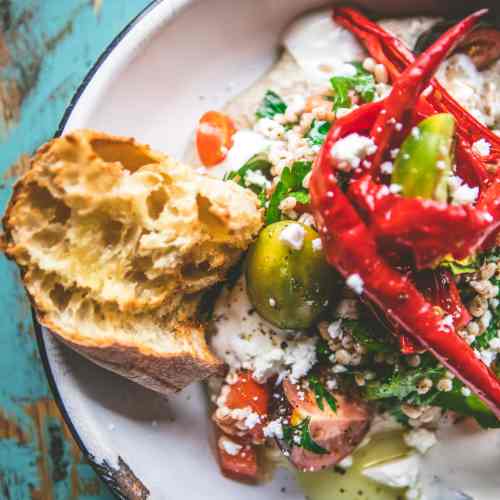



In the world of food, taste indeed reigns supreme; however, it’s the presentation that makes your first impression. Prior to a person taking the first bite, they are already scrutinizing the dish. A beautiful food presentation can have the capacity to turn the simple dish into an unforgettable eating experience.
The art of presenting for chefs isn’t just about looks; it’s about telling stories and being creative, as well as enhancing your overall impression of taste. This blog explores the secret to stunning food presentations and how to make every chef’s plate as if they were a pro.
Why Food Presentation Matters
How diners view food is influenced by its presentation. the quality and taste as well as the value. The presentation of a dish that is well-plated can:
- Enhance appetite and create excitement
- Enhance the perceived taste and improve quality
- The premium price is a way to justify the use of HTML.
- Create a memorable dining experience
- Enhance social media’s reach
Today, in the digital age visually pleasing food items are more likely to be shared and help restaurants get noticed organically.
The Core Principles of Food Presentation
- Balance and Composition
Each plate needs to feel even and well-balanced. Don’t overcrowd your plate or leave an excessive amount of space. Place elements in a manner that is natural and visually appealing.
- Color Contrast
The role of colors is crucial in presenting. The combination of bright ingredients can create a sense of exuberance. Use:
- Brilliant vegetables
- Fresh herb
- Sauces to enhance contrast
Do not use boring plates that are dull or boring.
- Texture Variety
The combination of different textures, such as crispy, soft, chewy, and smooth, adds dimension to the presentation as well as the eating taste.
- Portion Control
Make sure that portions are neat and well-controlled. In the event of overloaded plates, it could make the plate look dirty and decrease the elegance.
The Art of Plating Techniques
Classic Plating
Clean and simple with a focus on the primary component.
Free-Form Plating
Asymmetrical and creative are commonly utilized in fine restaurants.
Layered Plating
Mixing and stacking ingredients to achieve structures and height.
Sauce Techniques
- Drizzling
- Smearing
- Dotting
These methods add visual appeal to plates.
Choosing the Right Plate
The canvas is the plate. The right choice of plate can improve your presentation.
- White plates are used to highlight the colours.
- Black plates enhance the drama and provide the contrast.
- Textured plates can give you the impression of modern or rustic.
Make sure to match the plate design with the food and the concept.
Garnishing the Right Way
Garnishes should be more than just embellishing the dish; they must be a part of it.
Tips for Garnishing:
- Utilize fresh herbs as well as microgreens
- Beware of over-garnishing
- Make sure that garnishes are edible.
- Match garnishes with a flavour profile
The right garnish will add the perfect finishing touch to your masterpiece.
Creating Height and Structure
Flat plating can look boring. Adding height creates visual interest.
- The ingredients should be stacked carefully.
- Utilize molds and rings
- Layer components are strategically
Height adds to the dish an appeal that is three-dimensional.
The Role of Lighting and Presentation Environment
The presentation doesn’t stop at the table. The environment is also important:
- Proper lighting enhances colours.
- Organized and clean serving areas enhance perception.
- Table settings add to the experience overall.
At restaurants, the ambience and the food make an unforgettable impression.
Common Mistakes to Avoid
- Inflating the plate
- Too many colours and no harmony
- Insisting on cleanliness (spills and streaks)
- The design is complicated.
- Using inedible or irrelevant garnishes
Simplicity and clarity usually lead to beautiful presentations.
Food Presentation for Social Media
In the time of Instagram, the presentation can also be a tool for marketing.
Tips:
- Use natural lighting
- The focus should be on clear backgrounds.
- Highlight colours and textures
- Make sure the composition is simple.
The stunning food will entice customers before they even visit your restaurant.
Practice Makes Perfect
As with any skill in cooking, the presentation gets better with time.
- Play around with various styles
- Learn about fine plating methods
- Be aware of trends and change to them.
- Get feedback from others and improve your method
The ability to be consistent is essential for getting the best results from this art.
Conclusion
Gorgeous presentation of food is a combination of techniques, art, and imagination. The result is unforgettable experiences and leaves an impression that lasts on guests.
The art of presentation for chefs does not only mean making the food look great; it’s also about elevating every aspect of dining. By using the correct methods, a keen eye for detail, and a constant effort, any chef can make dishes that are visually amazing as well as delicious.

About Author sheelu456
You May Also Like…

Lounge Bar Success Secrets: Advice from Industry Professionals
IntroductionLounge bars are now the center of contemporary nightlife. They offer the perfect blend of class and...
Original Dining Themes to Elevate Your Restaurant Idea
IntroductionIn today's highly competitive restaurant and hospitality business, the importance of having excellent food...