


- Introduction
- Define Your Unique Value Proposition
- Focus on Quality & Consistency
- Optimize the menu (menu engineering)
- Deliver Excellent Customer Experience
- Embrace Technology
- Marketing & Branding Smartly
- Optimize Operations & Cost Control
- Innovation & Adaptability
- Build Community & Encourage Loyalty
- Measure, Learn & Refine
- Conclusion
Introduction
In a highly competitive market for restaurant providing good quality food and service isn’t enough. Consumers have a wider selection of options as well as more information about reviews and have higher expectations about the quality of service, atmosphere as well as value. For your business to grow effectively your business, you must differentiate by enhancing all aspects of operation constantly adapting, and develop trust with your customers. These are the key steps that will help your establishment not be just surviving, but flourish and develop in an environment of competition.
Define Your Unique Value Proposition
- Find out what sets you apart
- What is it that customers will get from the restaurant they cannot obtain in other establishments? Are you offering a unique cuisine such as a unique dish, an exclusive atmosphere or a unique event (e.g. Live performances or themed evenings, farm-to-table sources, etc.)
- Clearness of target audience
- Find out who your ideal clients will be (families or millennials, professionals or students.) What do they value about (price and speed, as well as high-end, unique, or the atmosphere) and why they keep going back.
- Brand identity & Storytelling
- Make sure your branding (logo, decor, menu design, name, uniforms, website/social media voice) communicates your difference. Stories about your foods, culture or source of supply can trigger a feeling of connection.
Focus on Quality & Consistency
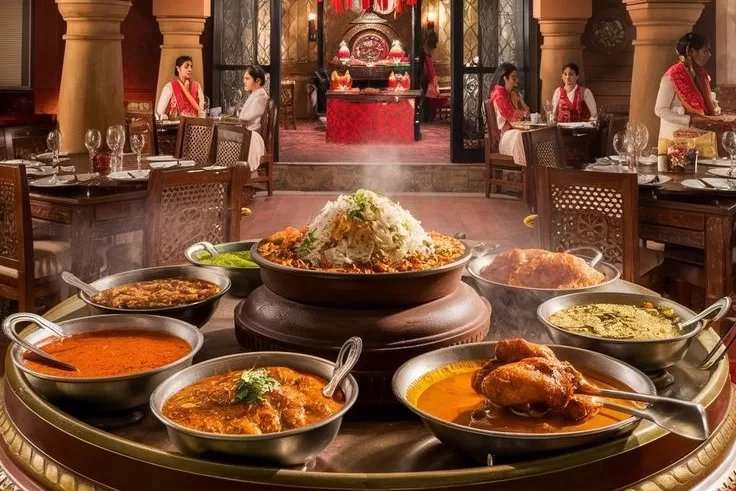
- Congruity in service and food is crucial: guests can forgive a poor incident only once. Quality control systems, processes as well as SOPs (standard operating procedures) must be implemented.
- Ingredient sourcing: good ingredients matter. Fresh, local and seasonal products whenever possible can enhance taste, cut down on the amount of waste and cost as well as be an advantage.
- Training for staff: instruct staff in the kitchen and front of house teams to ensure that they maintain the highest standards. A regular refresher and mystery diners as well as peer reviews may help.
Optimize the menu (menu engineering)
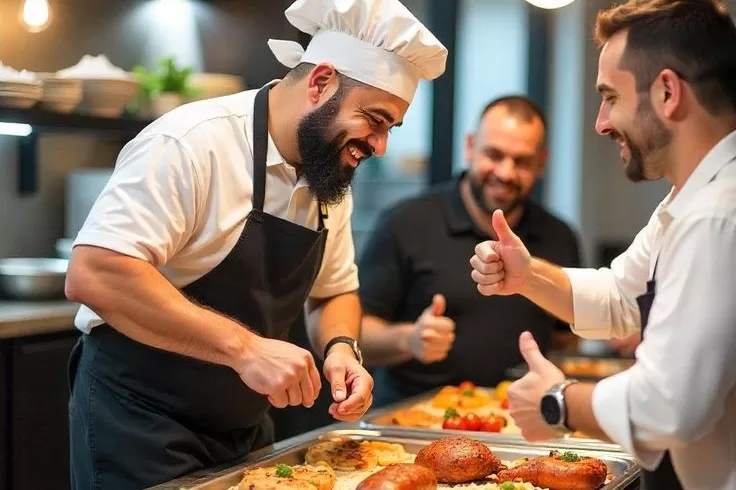
- Concentrate on items that are profitable Choose dishes that yield an acceptable profit and are well-known and promoted more. Eliminate or restrict those items with high costs or very little demand.
- Simple menus: An extremely extensive menu may create more complexity in kitchens, cause delay service, cause inconsistencies, and lead to.
- Items that are seasonal or trending that change with the seasons (e.g. vegan, gluten-free, or local specialties) making sure your menu is pertinent. Special offers that are limited-time also provide an incentive for returning.
- Special dishes/hero foods A “special” recipe that is talked about by people, shared images of, or visit specifically for is an attractive attraction.
Deliver Excellent Customer Experience
- Individualization: keep track of routines, provide suggestions or celebrate events (birthdays and anniversary celebrations). Customize the experience as much as you are able to.
- Cleanliness and ambience: the interiors lights, music sanitation, speed of service have a part to play.
- Efficiency of service: waiting times and accuracy of orders, as well as staffing- these are all important, especially in times of high competition.
- Feedback loops: Request feedback through receipts, on the internet or by contacting employees. Respond to the feedback. Don’t just address issues; and also inform: “you told us, we have changed this”.

Embrace Technology
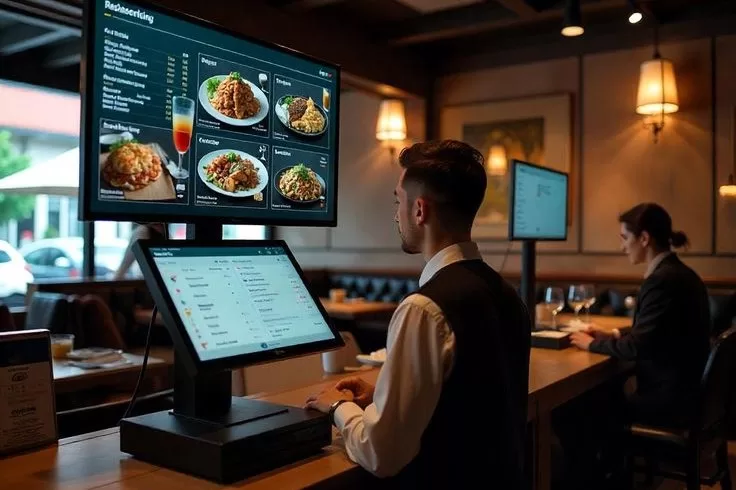
- Reservations and online order/delivery Be sure to be prominent and well-optimized on delivery platforms. Also, you should be you able to manage your reservations easily or perhaps your own online order channel.
- Web presence and mobile A mobile-friendly website, clearly laid out menus, images Contact, location and contact details and the Google Business profile and local SEO. Blogs & content (recipes, stories) can help.
- Programs for loyalty and CRM monitor customer behaviour, offer customized offers, and reward repeated visits. Square’s “9 Strategies to Grow” article focuses on loyalty programs as a key tool.
Marketing & Branding Smartly
- Influencer marketing and social media Use platforms that are appropriate for your target audience (Instagram, TikTok, Facebook or any other platform that is well-known locally). Post high-quality videos and photos of behind-the-scenes events. Join forces with local food blogs or micro-influencers. This blog by Mustard outlines the benefits for influencer marketing.
- Local presence & SEO: ensure you show up in searches like “best restaurant near me”, “cuisine type in [city/neighbourhood]”. Make sure you claim and improve your Google My Business / Maps page; promote reviews. Numerous blogs such as Get sauce advocate this.
- Promotions and events like themed evenings, happy hour or specials in slow hours or occasions (wine evenings,
- concerts and community gatherings). These draw new customers in and ensure that the menu is always new.
- Cross-partnerships: tie-ups and partnerships with local companies, suppliers Delivery platforms, event organizers, sponsors of local events, work with local offices, hotels etc.
Optimize Operations & Cost Control
- Management of waste and inventory Know what’s utilized, and what is being discarded. Forecast demand. Modify your orders. Utilize technology to track orders. Beware of over-stocking perishable products.
- Staffing and labour efficiency Optimize schedules, train skilled staff in multiple areas; decrease idle time; recruit smartly.
- Pricing strategy: pricing in relation to cost customers, their value, local buying power. Regularly review expenses like electricity, rent, and food costs. Pay attention to competitor prices, but don’t overcut them blindly – it will reduce your margins.
- Standardization and SOPs: make sure that timing for presentation, preparation, and processes for services are in line. It is particularly helpful in scaling up to several outlets.
Innovation & Adaptability
- Be aware of trends in dietary habits as well as tech developments (self-ordering kiosks, touchless transactions) Consumer behaviour (dining out vs. delivery). Try different methods.
- New streams of revenue: Retail merchandise, packaged food meals kits catering Private dining, delivery-only kitchens. The article from Square says that creating new revenue streams is among the top strategies for growth.
- Try out and test the new menu items, offers or small-scale market tests prior to big launch. Find out what is working for you, and increase the scale.
Build Community & Encourage Loyalty
- Retention of customers often provides a higher ROI than the acquisition of new customers. Give regular customers a sense of valued (discounts or loyalty cards or VIP occasions).
- Reviews and word-of-mouth: solicit happy customers to write reviews and respond to feedback. The importance of online reputation has increased.
- Engagement in the local community: participating with community activities, supporting local causes and becoming an active part of the local scene will help build trust and create a sense of differentiation.
Measure, Learn & Refine
- Establish clear KPIs for: e.g., avg ticket size, table spin rate Cost of goods (COG), food waste, satisfaction of customers and repeat customers’ rate margins.
- Utilize data frequently: Weekly or monthly review. Which dishes perform very well or not? Which times of the day are they slow? Which marketing strategies yield ROI?
- Make sure you cut the things that aren’t working: menu things, channels, promotions.
Conclusion
In a highly competitive marketplace, it’s not simply about putting more effort into something that’s not needed. It’s all about doing what’s right in a consistent, efficient and with respect to the things your clients value. Stand out, keep top standards, utilize the latest technology, and market effectively to keep your operation in check as well as innovating, while remaining near to your clients. In time, these strategies will increase and help to build a solid, resilient restaurant enterprise.

About Author sheelu456
You May Also Like…

Professional Hospitality Setup and Placement Consultancy in Bangalore
IntroductionBangalore has been recognized as one of India's fastest growing market for hospitality. With the growing...
Expert Chef-Led Consulting for Asian Food Café Restaurants
IntroductionAsian food establishments have emerged as one of the fastest-growing categories in the world of...