




- Introduction
- Ice cream
- Cream and milk
- Sweeteners
- Stabilizers and Emulsifiers
- Flavorings
- Frozen Desserts:
- Gelato
- Sorbet
- Frozen Yoghurt
- Non-Dairy Ice Cream (Vegan)
- Ice cream vs Frozen Desserts
- Fat Content
- Ingredients
- Texture and Air Content
- Dietary Preferences
- Food and Nutrition Aspects ( Ice cream vs. Frozen Desserts)
Introduction
Frosted desserts and ice cream are both very popular however they are different in the ingredients used, their texture, and rules. Ice cream is comprised of a significant amount of cream, milk fat as well as egg yolks. It gives it a thick, smooth texture that has to meet the regulations in several nations. Iced desserts, on other hand, could contain an array of different ingredients, including the use of vegetable oils, stabilizers as well as non-dairy fats. This can make these desserts less heavy and soft than traditional ice cream. Although ice cream is a treat with its indulgent texture and smoothness but frozen desserts are greater flexibility, cost-effectiveness and a wide range of flavor and nutrition. The knowledge of these different types helps consumers make informed decisions in accordance with their preference, dietary preferences, as well as special occasions whether they are looking for a lavish sweet treat or a less more affordable alternative.
Ice cream
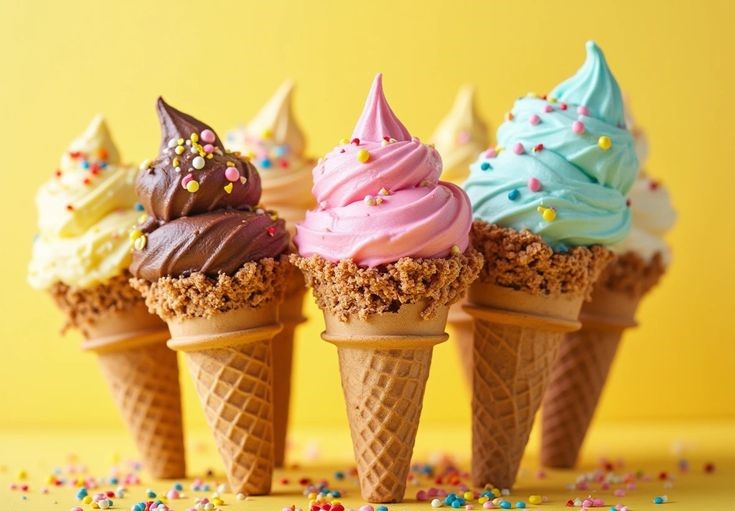
Ice cream is a cherished frozen delight made up of milk, cream, sugar as well as egg yolks that are churned up into a smooth and creamy consistency. The rich taste and silky consistency make it an incredibly popular dessert all over the world, and is available in many flavors, from classic vanilla and chocolate, to new flavor combinations that include mix-ins such as nuts, fruits and sweets. The quality and flavor of ice cream depend on its amount of milk fat, the air infiltration (overrun) as well as the ingredients employed, which differentiate superior ice cream against lighter varieties. Apart from being a tasty treat Ice cream can also be considered a symbol of culture, and is often exhibited during festivals, served in cups, cones and sundaes or even as an ingredient in gourmet desserts. Its variety and a warm appeal are what make it a classic throughout all age groups.
Cream and milk
The milk and cream are the primary components in a variety of culinary recipes particularly in desserts and ice-creams in which they add taste, texture and a richness. It is a creamy mildly sweet and sour base together with the important proteins, fats as well as sugars, which help to maintain stability and consistency of recipes. Cream, the most fat-rich part of milk, provides luxurious richness, a soft texture, and lavish mouthfeel. This makes it vital for smooth desserts, sauces and whip toppings. The proportion of milk to cream will greatly affect the product’s texture the texture, its creamy taste, and. All together, the dairy components provide the basis for many desserts, which provide both the benefits of nutrition and a sense of delight.
Sweeteners
Sweeteners are essential ingredients used in cooking and baking. They are used to increase taste, control acidity and give structure to desserts. They can be found in many types, such as natural sugars such as honey, cane sugar as well as maple syrup and artificial, sugars with low calories, such as sucralose, stevia and the erythritol. Apart from adding sweetness, some sweeteners affect the their texture, water retention as well as browning baked products. The choice of the best sweetener is based on the dish, your dietary preferences, as well as the intended taste characteristics. Knowing their characteristics allows cooks and chefs to make tasty, balanced healthy, and nutritious treats without losing flavor.
Stabilizers and Emulsifiers
Emulsifiers and stabilizers are vital ingredients in numerous frozen desserts like ice cream. They provide smooth texture, consistent consistency, and an extended shelf-life. Stabilizers, like carrageenan, guar, or gelatin, can help to prevent crystallization of ice, which keeps the product soft and prevent breakage in storage. Emulsifiers, such as lecithin and mono- and diglycerides permit water and fat to combine together, creating a smooth combination and enhancing flavor. They also enhance the taste of frozen desserts by making the desserts smooth, creamy and delicious, as well as increasing the durability and appearance. The precise application of these additives ensures that every scoop has the ideal texture and flavor throughout the process from creation to consumption.
Flavorings
Flavorings play a vital role of desserts and ice creams that provide distinct flavors and smells that make each dessert unique and memorable. They may be natural like vanilla beans chocolate, cocoa, extracts of fruit or even spices. They can also be synthetic, designed to reproduce the popular flavor consistently and efficiently. Flavorings don’t just improve the sensory experience overall they also aid in balancing sweetness, hide unpleasant flavors as well as complement the other ingredients used in recipes. An intelligent selection and the combination of flavorings allows chefs as well as food makers to design unique products that appeal to many different palates and tastes, which is why they are an essential element of creativity in food and enjoyment.
Frozen Desserts:
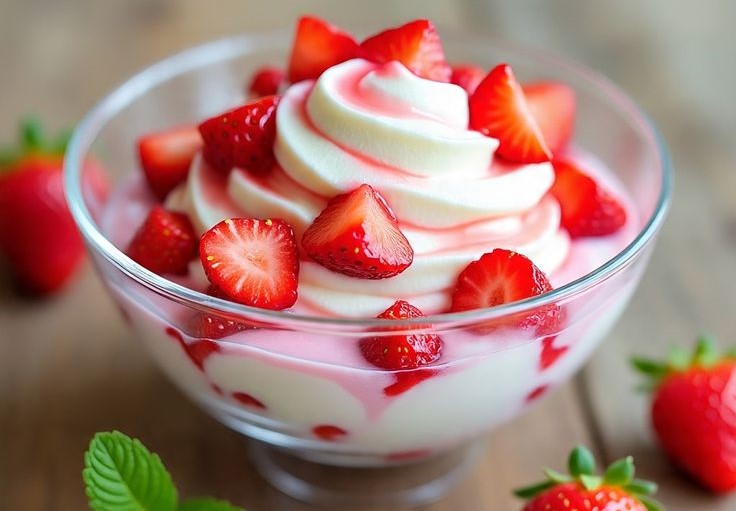
Desserts frozen are sweet, frozen treats that are made of many different ingredients such as cream, milk, fruits, sugar as well as stabilizers. Contrary to conventional ice cream and other dairy-based desserts, these may include alternatives to sweeteners or non-dairy fats that provide lighter texture as well as a range of different flavor options. Some of the most popular examples are sorbets frozen yogurts, gelatos as well as frozen custards. The desserts are loved because of their delicious flavor, flexibility and the ability to cater to the different tastes of people which makes them a popular option for people of all ages and occasions.
Gelato
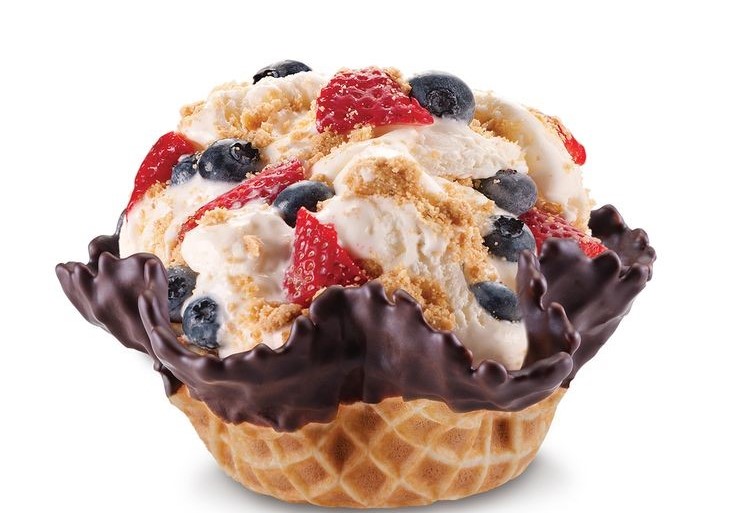
Gelato is a classic Italian frozen dessert that is known for its delicious taste, silky texture as well as a lower fat content when compared to normal frozen ice cream. It is made with higher milk content and lower cream and then churned out with a lower speed it is able to incorporate less air creating a more dense and creamy texture. When it is served, usually at moderately warmer temperatures which allows the flavor–such as nuts, fruits as well as espresso, chocolate or even coffee to get more intense, making the gelato an indulgent and luxurious dessert that is enjoyed all over the world.
Sorbet
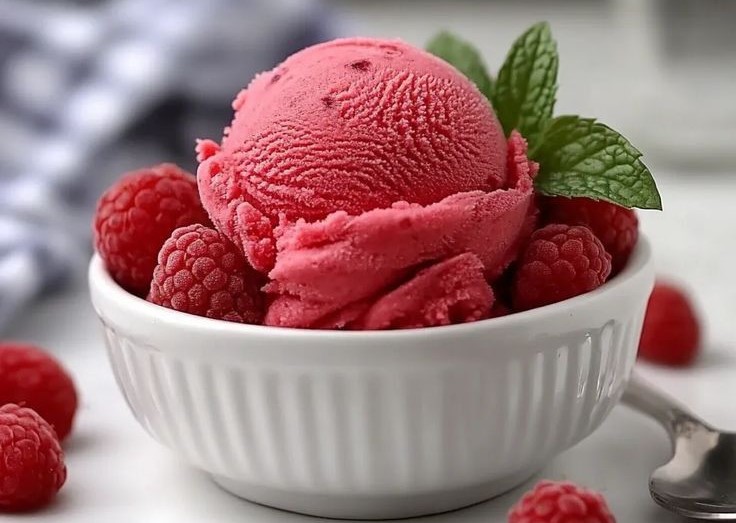
Sorbet is a refreshing, frozen dessert made of mainly the puree of fruit, water and sugar, with no dairy products or any fats. It is renowned for its soft and refreshing texture, it provides an intense, clean taste of fruit that makes it an extremely popular cleanser for the palate and a healthy treat. Sorbets are naturally versatile and being available in a variety of flavours, and they are frequently consumed in a vegan or dairy-free alternative to Ice cream.
Frozen Yoghurt
Frozen yogurt is a smooth sweet, tart frozen dessert that is composed of yogurt, milk as well as sweeteners. It’s made with live cultures which give it a slight tart taste, and is a lighter healthy alternative to conventional frozen ice cream. The yogurt that is frozen can be consumed in its natural form or topped with a range of toppings such as nuts, fruits, or sauces. It is an extremely versatile option to those looking for an indulgence that is refreshing and healthy.
Non-Dairy Ice Cream (Vegan)
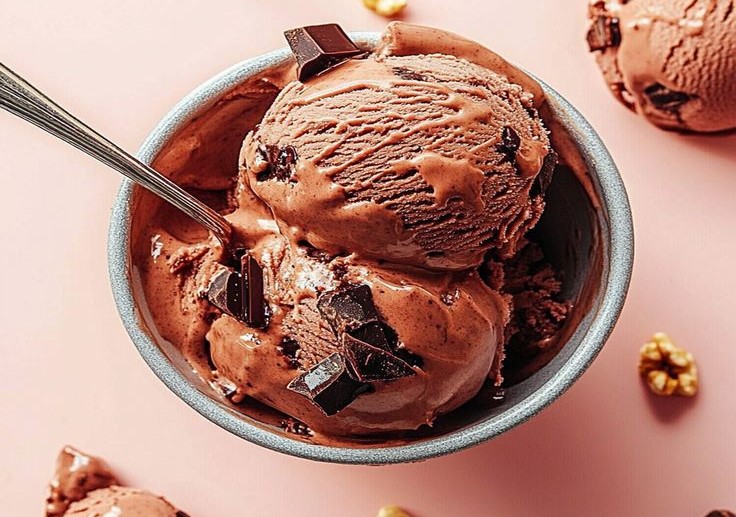
Ice cream made from non-dairy, or vegan, is a dessert that has been frozen using no animal products making use of plant-based alternatives such as almond and coconut as well as soy or the oat milk. Ice creams with these ingredients offer smooth texture and rich flavor that are similar to traditional ice-cream but are suited to diets that cater to vegans as well as lactose intolerant people. They come in a range of mixes and flavors, the ice creams made of non-dairy milk are the most delicious, non-animal and healthy alternative to enjoy frozen desserts.
Ice cream vs Frozen Desserts
Fat Content
Fat content plays an essential part in the texture, creamy as well as the flavor of ice cream, as well as different frozen sweets. A higher percentage of fats, usually made up of milk or cream, result in a smooth, rich mouthfeel that is luscious and delicious and taste, whereas lower fat options produce lighter, less soft and smooth textures. The balance of fat content is crucial in achieving the perfect consistency as well as for enhancing flavor and keeping the consistency, which makes it an essential element in the formulation of frozen desserts.
Ingredients
Ingredients of ice cream and frozen desserts are different in terms of fat source and composition. Ice cream is created with the majority of cream, milk as well as egg yolks, creating a creamy smooth texture. Desserts frozen, however can make use of vegetables oils, stabilizers as well as non-dairy fats in place of dairy cream. They offer different textures and a flavor options. Knowing these distinctions can help consumers select products that are based on flavor as well as dietary requirements and preferences for texture.
Texture and Air Content
The texture and the air content are the two main factors that determine the taste of ice cream as well as frozen desserts. The ice cream is made by churning to bind air into it, creating an airy, smooth and creamy consistency. Moreover, the quantity of air — also known as”overrun”–influences its density and the mouthfeel. Ice cream desserts can have varying amounts of air based on the ingredients and the process, which results in textures ranging between soft and airy, to firm and dense. A proper control of the the texture and the air content will ensure an enjoyable and satisfying dining tasting experience.
Dietary Preferences
The diet of a person plays a major influence on the selection of Ice creams and frozen desserts currently. There are options for low-fat, lactose-free or sugar-free vegan versions, people are able to enjoy frozen desserts that are compatible with their dietary needs ethics, choices for ethical living, or limitations on their lifestyles. Knowing these preferences can allow producers and chefs to develop various products to appeal to the needs of a broad audience and allows everyone to indulge with delicious and satisfying frozen treats.
Food and Nutrition Aspects ( Ice cream vs. Frozen Desserts)
In comparing ice creams and frozen desserts it is helpful to consider how nutrition is portrayed step-by-step:
fat content: Ice cream generally contains more milk fat which gives it a smooth texture and it also has more calories. Ice cream is often made with vegetable fats. These can reduce fat but may modify the their texture.
Sugar Levels Both contain significant sugar. However, frozen desserts may contain added sweeteners and syrups that impact your total intake of sugar.
Protein Ice cream has dairy products, which provide certain protein. Non-dairy frozen desserts could have a lower amount of protein.
Additional ingredients: Frozen desserts may contain stabilizers, emulsifiers as well as other ingredients to enhance the texture and shelf-life.
Dietary Fit Ice cream is a delicious and indulgent. Frozen desserts can be tailored to certain nutritional requirements, like lactose free or low-fat alternatives.
The information provided by these tips can help consumers make better choices by balancing the taste, health and food needs.

About Author sheelu456
You May Also Like…

Professional Hospitality Setup and Placement Consultancy in Bangalore
IntroductionBangalore has been recognized as one of India's fastest growing market for hospitality. With the growing...

Expert Chef-Led Consulting for Asian Food Café Restaurants
IntroductionAsian food establishments have emerged as one of the fastest-growing categories in the world of...