




- Different types of food thickenesr
- Using Pure Starches in Cooking and Baking
- Proper Storage Tips for Thickening Agents
- Types of Thickeners Used in Cooking
- Liaison Mixture
- Classic Roux
- Thickening Slurry
- Beurre Manie Explained
- Food Thickening Agents
- Cooking using Cornstarch
- Food-Grade Xanthan Gum
- Culinary Gelatin
- Cooking using Pectin
- Potato Starch Thickener
- Tapioca Flour
- Culinary Arrowroot
- Agar-Agar Uses
- Leavening Agents Explained
- Baking Soda
- Baking Powder
- Yeast
- Non-Traditional Leavening Agents
- Cocoa for Baking
- Uses of Cream of Tartar
- Baking using Malted Milk
- Conclusion
Different types of food thickenesr
Food thickeners are a must-have ingredient when baking or cooking. They are that are used to improve the texture, consistency and durability of soups, sauces gravies, desserts, and sauces. The most commonly used thickeners are cornstarch, flour gelatin, agar agar and pectin. Cornstarch and flour are frequently utilized in sauces and gravies that provide soft, smooth texture. Gelatin and Agar-agar work well to make jellies and desserts making a solid, gel-like consistency. Pectin is a common ingredient in preserves and jams to create the thickness you want. Learning about the characteristics and functions of different thickeners enables chefs and cooks at home to prepare perfectly-textured dishes with the same flavor, and also maintain aesthetic appeal.
Using Pure Starches in Cooking and Baking
Pure starches like the cornstarch, arrowroot starch and tapioca starch are utilized as thickeners for both baking and cooking. They are highly regarded because of their capacity to produce shiny, smooth textures without changing the taste of food items. While cooking, starches tend to be utilized to add a thicker texture to gravies, sauces soups, and custards giving them the quality and consistency. When baking, they can help enhance the quality of cakes, cookies and other pastries, by providing the appearance of lightness and structure. Knowing how to dissolve and integrate starches is essential to achieve perfect outcomes, since too much or in excess could result in a sticky or a thick and gummy consistency .
Proper Storage Tips for Thickening Agents
A proper and safe storage for thickening agents is vital in order to ensure their efficacy and increase shelf-life. Many thickeners, like flour, cornstarch and gelatin, and arrowroot are best stored in airtight containers to avoid water, clumping and contamination. Keep them in a dry, cool and dark area far from sunshine and strong smells since some of them can take in scents of the surroundings. In order to store them over time, specific starches, such as cornstarch or arrowroot are also kept refrigerated or frozen in order to keep the freshness. Checking expiration dates frequently and sealing the containers securely will preserve the thickening properties of these starches and guarantee the same results when cooking or baking.
Types of Thickeners Used in Cooking
Liaison Mixture
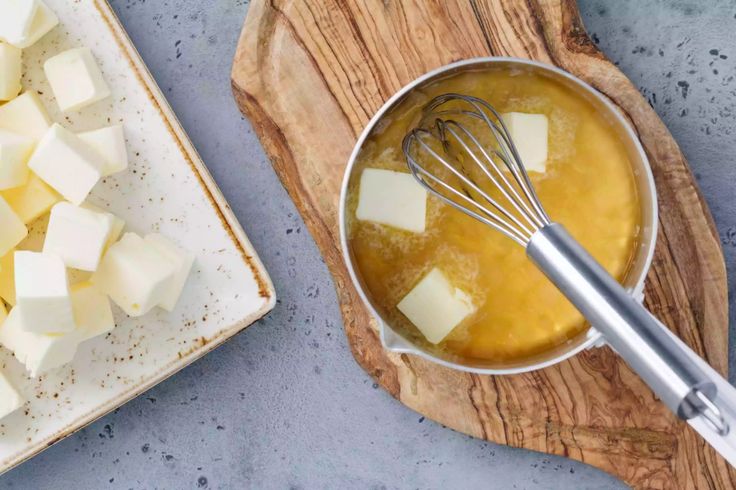
Liquids are a traditional culinary method employed to thicken sauces stews and soups by giving them a velvety, rich taste. It’s typically prepared using egg yolks in combination with heavy cream that is gently blended prior to being added in hot beverages. It is then incorporated with care over a low heat in order to avoid curdling and resulting in the consistency is smooth and creamy. Liaisons are typically utilized in French food to enhance delicate sauces, such as veloute for soups, such as bisques. Liaisons provide both the body as well as a delicate sweetness that adds flavour without adding any flavor to the dish.
Classic Roux
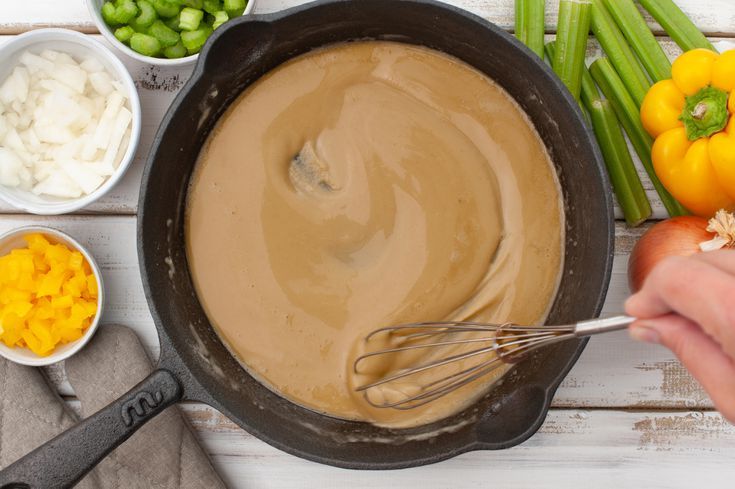
The classic roux is the most fundamental ingredient used when cooking. It is created by mixing equal amounts of fat (such like butter) along with flour before making the consistency of a fine paste. It is an agent to thicken soups, sauces and gravies. It provides the body as well as a slight nuanced flavor, based upon how long it’s simmered for. Roux can be cooked in various stages – white, blond or brown, each offering different colors and flavors to go with diverse food items. When cooked properly it gives smooth texture, and also adds the flavor of food which makes it an indispensable technique for both French and other international culinary styles.
Thickening Slurry
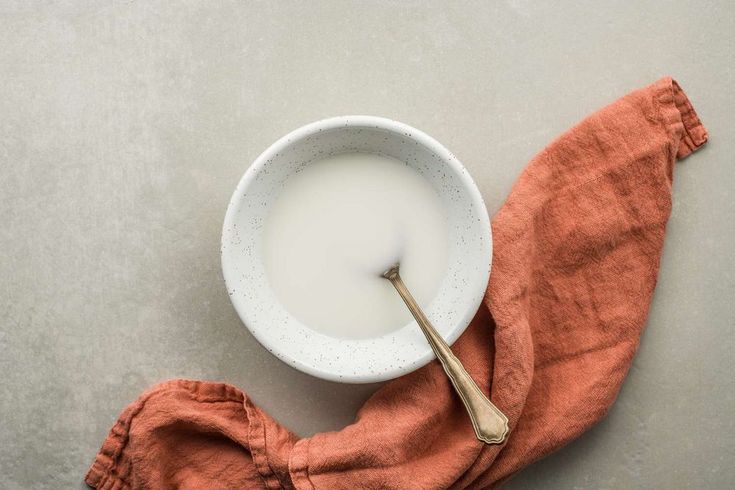
A thickening liquid is the simplest of ingredients that is used to give the body and texture to soups, sauces, and gravies. It’s usually made by blending cold liquid like stock or water, with an ingredient such as cornstarch, the arrowroot or potato starch. Slurries are then slowly introduced to the hot liquids, while mixing continuously to prevent the formation of lumps. This results in the appearance of a glossy, smooth appearance. In contrast to liaison or roux they are easy to make and perfect to thicken last minute without affecting the taste of the dish. When properly prepared and served, a slurry can enhance the texture and aesthetic appeal of your culinary dishes.
Beurre Manie Explained
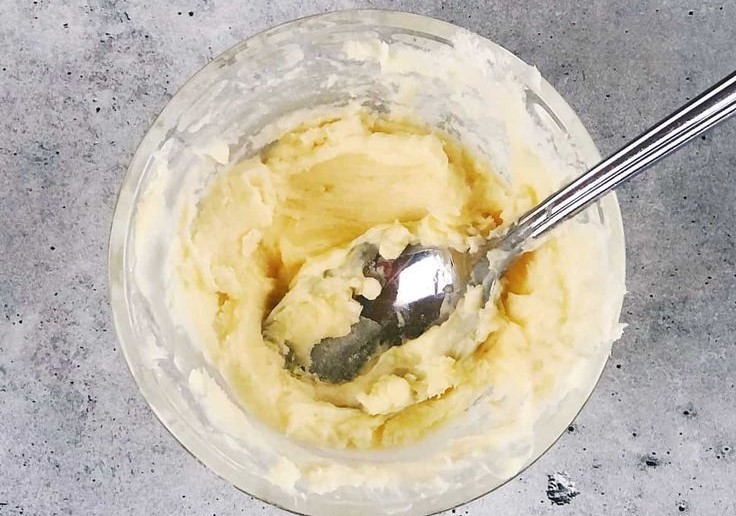
Beurre Manie is a traditional French technique for thickening that is made by mixing equal amounts of flour and soft butter into an even paste. In contrast to roux, it can be added after the completion of cooking in order to add a thicker consistency to soups and sauces without being cooked to the point of overcooking. In hot liquids it melts and is dispersed, giving a silky velvety texture, while also enhancing the taste. This technique is perfect to adjust consistency fast and giving sauces a supple professional look.
Food Thickening Agents
Cooking using Cornstarch
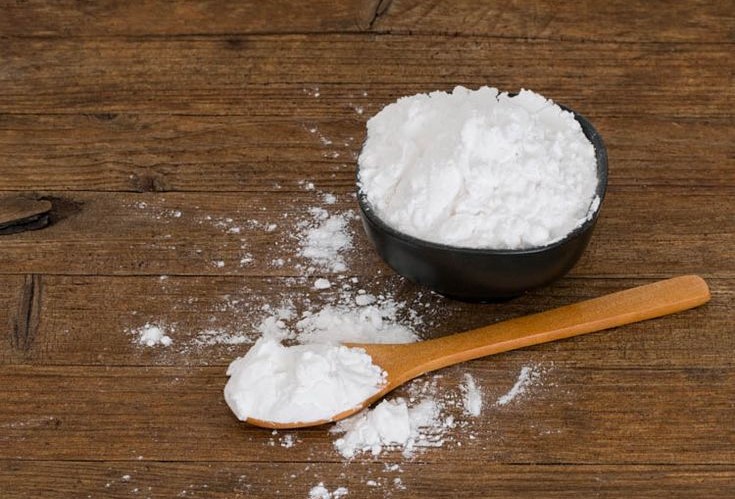
Cornstarch is a flexible ingredient for thickening, which is often used in baking and cooking. It is used for adding body and texture to gravies, sauces, desserts and soups. It’s typically blended with liquid that is cold to create a slurry prior to being added gradually to hot dishes, keeping out from clumps and creating an even appearance and texture. Cornstarch gives a shiny finish and neutral taste, which makes it ideal for sauces with delicate flavors and custards. Its fast-acting thickening capabilities and its easy to use makes it a must-have in the kitchens of professionals and those who cook at home.
Food-Grade Xanthan Gum
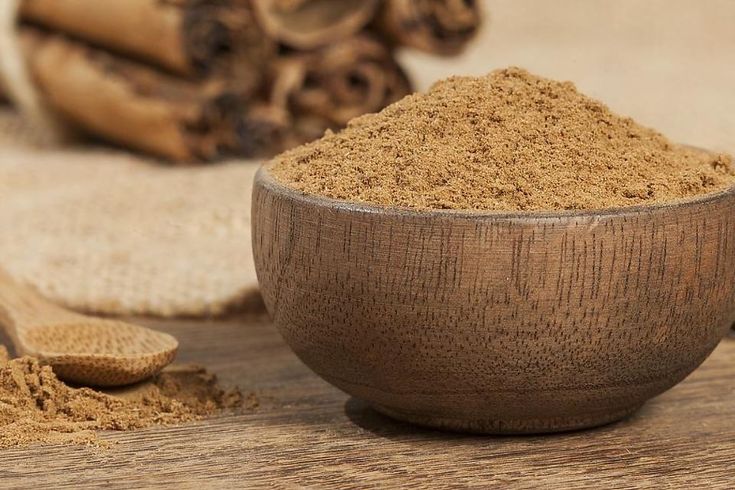
Food grade xanthan gum is a potent stabilizer and thickener extensively used in the food industry and cooking. The source is fermented sugar. it can improve the consistency and texture in sauces, dressings and baking goods that are gluten-free. A small amount of it is required to create a silky and cohesive mix without affecting taste. Its flexibility and capacity to help stabilize emulsions makes xanthan gum an essential ingredient in contemporary culinary recipes.
Culinary Gelatin
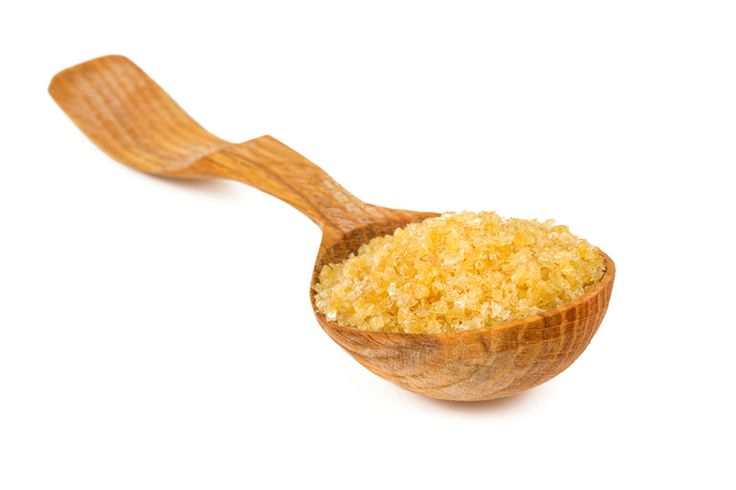
Culinary Gelatin is a thickening agent and gelling agent that is that is derived from collagen and frequently used in desserts aspics, and in confectionery. After being it is dissolved in warm liquids and then cooled, it develops an elastic, smooth gel. Gelatin gives structure and stability to foods like panna cotta as well as mousses, jellies, and jellies. It does not alter the taste.
Cooking using Pectin
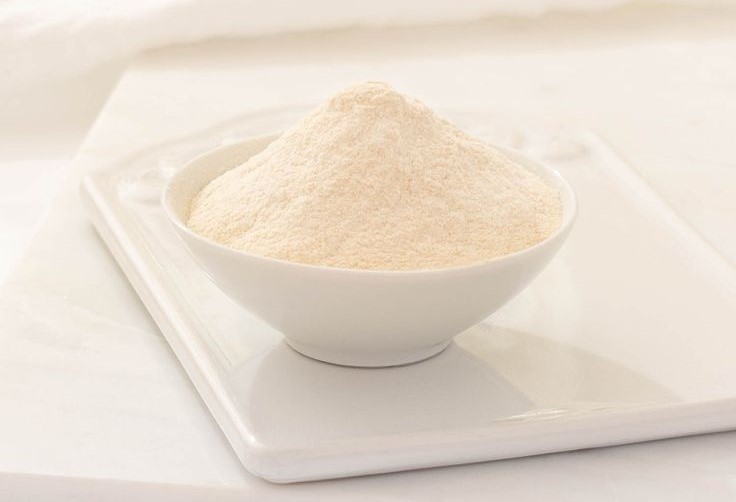
Pectin is a naturally gelling and thickening agent that is found in many fruits, including citrus peels and apples. It is commonly used in jams, jellies, or marmalades, it aids in creating the consistency of a solid, yet easily spreadable. When it is combined with acid and sugar pectin is activated to form fluid, stable gels which is why it’s a must in preserves and fruit-based desserts.
Pectin is a naturally gelling and thickening agent that is found in many fruits, including citrus peels and apples. It is commonly used in jams, jellies, or marmalades, it aids in creating the consistency of a solid, yet easily spreadable. When it is combined with acid and sugar pectin is activated to form fluid, stable gels which is why it’s a must in preserves and fruit-based desserts.
Potato Starch Thickener
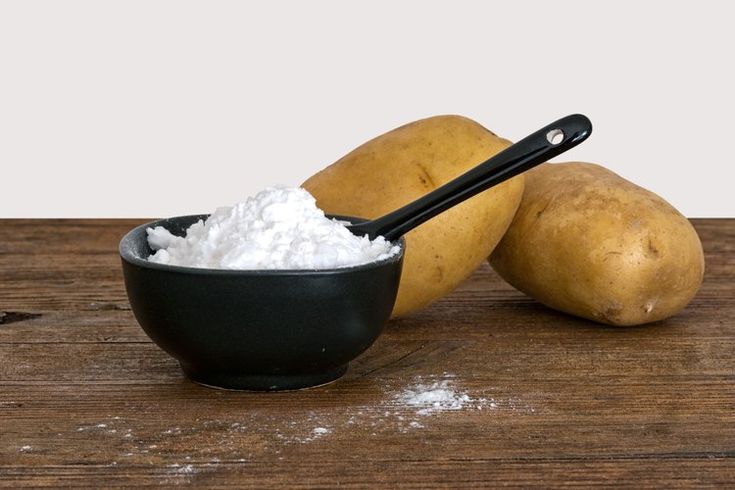
The starch of potatoes is a non-gluten, thickening agent that gives an attractive, clear finish when used in sauces, soups, and desserts. It becomes thicker with lower temperatures than cornstarch, which makes it ideal for dishes with delicate flavors. The mild flavor and silky texture can enhance both savory and sweet recipes, without changing the its taste.
Tapioca Flour
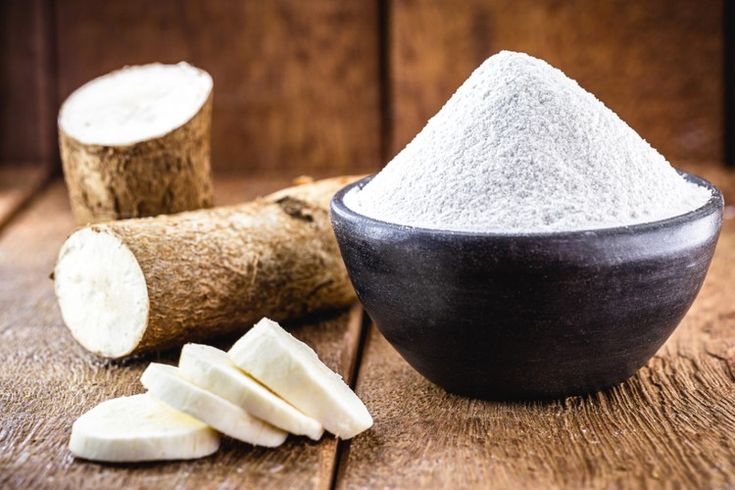
Tapioca flour is also referred to as tapioca starch, the gluten-free thickener that is extracted from the cassava root. It adds a soft and glossy appearance to soups, sauces and desserts. Perfect for gluten-free baking It adds a chewy texture to breads and crispness to the coatings. This makes it a useful food ingredient.
Culinary Arrowroot
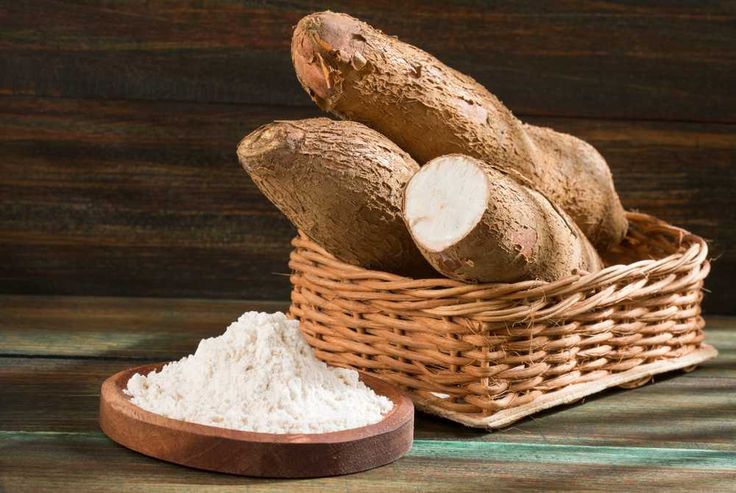
Culinary arrowroot is an organic Gluten-free, thickening agent that comes from the tropical plant roots. It’s a sought-after ingredient for transparent, shiny soups, sauces, and desserts that do not alter the flavor. Arrowroot is a great choice for low temperatures, and it is perfect to cook delicate foods such as fruit sauces or to replace cornstarch for gluten-free cooking.
Agar-Agar Uses
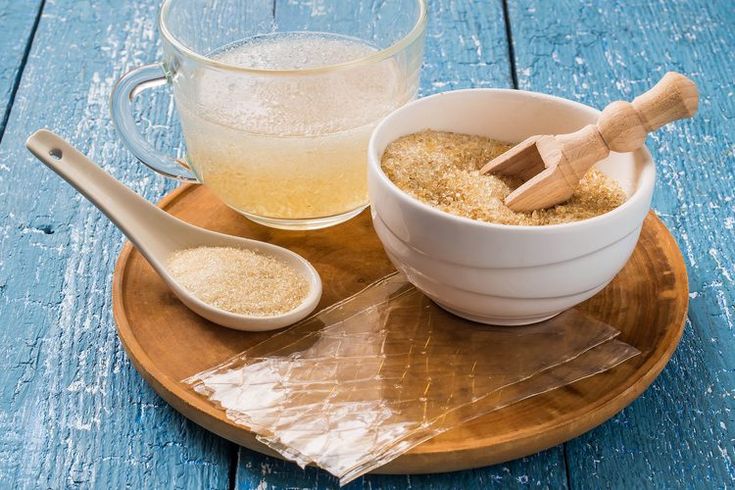
Agar-agar, a plant-based gelling agent made from seaweed, which is used to substitute for vegetarian gelatin. It transforms liquids into solid liquids that are stable and long-lasting, which makes it the ideal choice for jellies puddings as well as desserts. Agar-agar can be used in room temperatures and keeps its form even when heated which makes it a solid and flexible thickening agent to sweet as well as spicy culinary recipes.
Leavening Agents Explained
The leavening agents assist baked goods in rising through the production of gas. This creates the appearance of a soft and airy feel. The most common examples are baking soda, baking powder along with yeast as well as steam. Leaveners that contain chemicals like baking soda combine with acid and create carbon dioxide. Likewise, yeast ferments sugars and creates gas in the course of. Physical leavening such as steam, or air that’s incorporated in mixing, can also affect the volume. Knowing how various leavening agents function helps bakers control the texture, rise, as well as shape, to ensure consistency and desired results for cakes, breads, and desserts.
Baking Soda
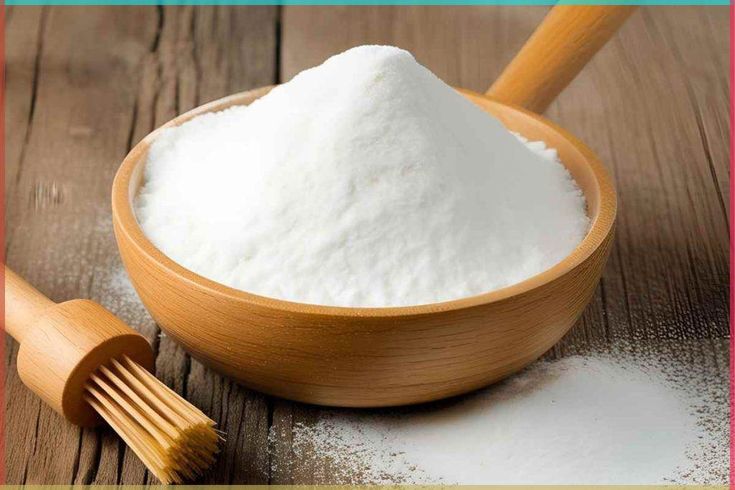
Baking soda, commonly known as sodium bicarbonate is a chemical agent for leavening that is used in baking to aid bakers and batters to rise. If it’s combined with acids like yogurt, lemon juice and buttermilk it releases carbon dioxide gas that creates airy, light-textured consistency. It can also aid in the browning process and helps neutralize the acidic components which improves the flavor of cookies, cakes, as well as quick breads. It is important to measure the right amount because too much could create a soapy taste or a gloppy texture.
Baking Powder
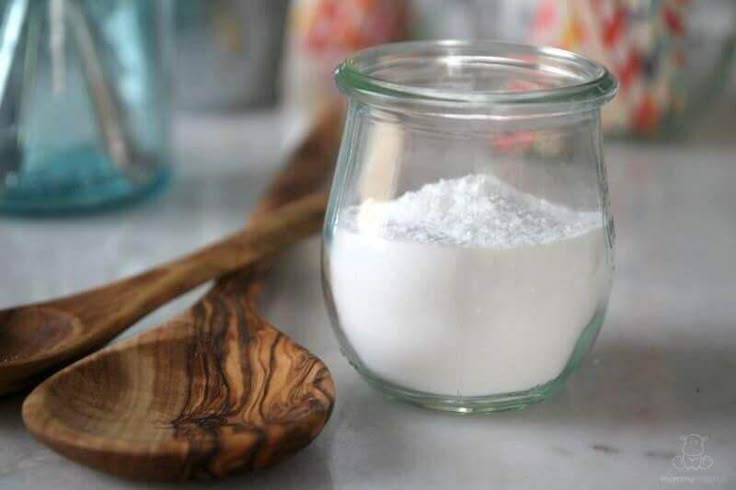
Baking powder is a leavening ingredient that is used extensively for baking, allowing muffins, cakes and other pastries rise. It is made up of an acid as well as a base that react once moistened, by heating to release the gas carbon dioxide. The gas creates bubbles within the batter that create smooth, soft appearance. Like baking sodas, baking powder doesn’t need an acidic addition which makes it an ideal ingredient for many recipes. A proper use will ensure a consistent rise, and soft, fluffy baked products.
Yeast
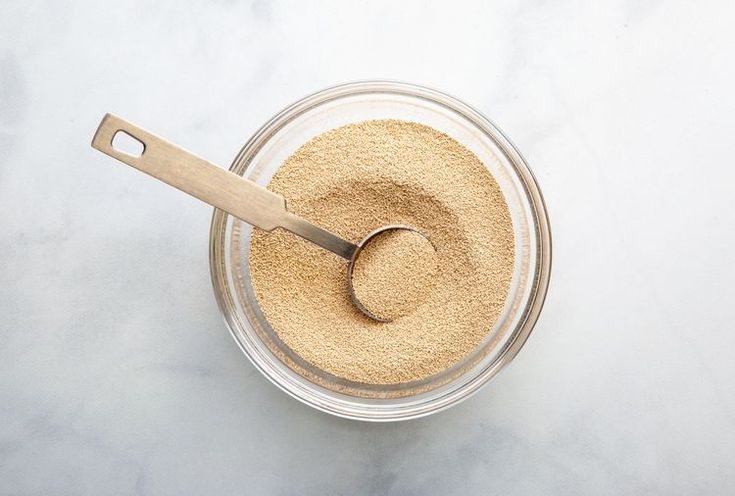
It is a naturally-occurring leavening agent used extensively in baking bread as well as other fermented foods. It’s living microorganisms that can ferment sugars present in dough, releasing an alcohol and carbon dioxide. Carbon dioxide gas makes the dough expand, giving it a soft and airy feel, while fermentation enhances the flavor and adds complexity. The yeast comes in a variety of forms that include active dry, instant and fresh. Each one requires special handling. Correct proofing and temperature control are crucial to ensure uniform rise and the best quality of the baked product’s texture.
Non-Traditional Leavening Agents
Cocoa for Baking
Cocoa powder is an essential ingredient in baking. It adds the rich chocolate taste and rich colors to cookies, cakes brownies, cakes, and desserts. It is available in both Dutch-processed and natural versions, it affects the texture and acidity of foods. Natural cocoa can be moderately acidic and is a good match with baking soda. Dutch-processed chocolate is neutral and can be used in conjunction when combined with baking powder. A proper sifting process and measurement of cocoa powder can result in the smoothest, most lump-free and consistently good results when cooking with chocolate.
Uses of Cream of Tartar
Cream of tartar can be an extremely versatile ingredient for cooking and baking, mostly employed to help stabilize egg whites, stop crystallization of sugar and also to help make baking soda more active in cooking recipes. Cream of tartar helps create soft meringues that are fluffy, silky frostings and soft baked items. In addition, it helps preserve the texture and color of candy and other vegetables and candies, which makes it a useful device for cooks at home as well as professional chefs.
Baking using Malted Milk
Malted milk powder can be a useful ingredient that imparts the rich, nutty and slightly sweet flavor to baked items. It is commonly used to make cookies cake, breads, and cakes It enhances flavor as well as texture and the browning process. It also adds the malt scent in a subdued way as well as improves the crumb’s softness and texture of baked products, making popular among bakers because of its taste as well as functionality.
Conclusion
Food thickeners are an essential tool for baking and cooking they provide shape, texture, and consistency to a broad array of meals. From starches such as cornstarch, tapioca and potato to natural gelling agents like gelatin, agar-agar and pectin. Each is unique and has its own advantages and application. Becoming aware of their specific properties, appropriate use, and storage will ensure that soups, sauces, baked goods, desserts and more have the right consistency, appearance and taste. A mastery of these thickeners enables both cooks and chefs to improve the quality and taste of their dishes.

About Author sheelu456
You May Also Like…

Professional Hospitality Setup and Placement Consultancy in Bangalore
IntroductionBangalore has been recognized as one of India's fastest growing market for hospitality. With the growing...
Expert Chef-Led Consulting for Asian Food Café Restaurants
IntroductionAsian food establishments have emerged as one of the fastest-growing categories in the world of...