



- Introduction
- Classic Indian Masalas: Timeless & Irreplaceable
- Tangy and Spicy Flavors: India's Culinary Love Language
- Street-Style Flavors: Always Trending, Always Loved
- South Indian Flavors: Comforting, Aromatic & Versatile
- Regional Indian Flavors: Hyperlocal But Rising Nationally
- Global Fusion Flavors with an Indian Tsp
- Sweet Flavors: India's Eternal Weakness
- Smoky and Tandoori Flavors: A National Favorite
- Comforting Home-Style Flavors: The Post-Covid Hero
- Health-Focused Flavors: Growing Fast Among Urban Consumers
- Conclusion: Food Flavors That Win India Combine Tradition, Innovation & Emotion
Introduction
India is a country that is awash in culinary variety, with tastes change with every few miles and each region provides an individual taste. With more than 1.4 billion people, many influencers from different cultures, as well as centuries-old culinary practices The Indian taste buds are incredibly rich emotionally, exciting, and deeply connected with food.
Chefs, restaurant proprietors as well as food companies knowing the flavor combinations that really impress Indian clients is the most important factor to a profitable venture. As new trends from the outside influence taste preferences in a constant manner, Indians still gravitate toward tastes that provide comfort and authenticity. as well as a dazzling sensation.
Let’s take a look at the taste profile, the ingredients and food trends that regularly bring joy to customers and win them back time and again across India.
Classic Indian Masalas: Timeless & Irreplaceable
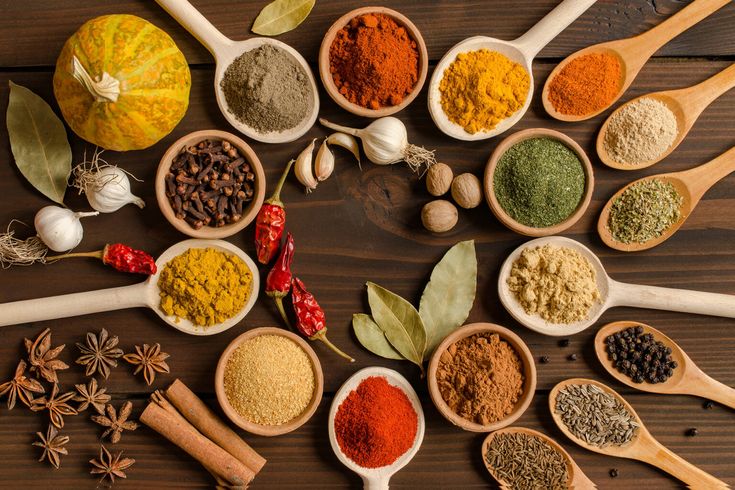
However modern the menu is, Indian customers stay loyal to the taste familiar from traditional masalas. They are a symbol of nostalgia, comfort as well as familiarity.
Most popular masala-based flavours:
- Garam masala
- Tandoori masala
- Chaat masala
- Pav bhaji masala
- Tikka masala
- Madras Curry spice
- Kashmiri masala
- Chettinad spice mixes
What makes them win:
The blends of spices create an aroma, depth and warmth. This is something people with an Indian taste buds naturally seek out. In fusion cuisines masalas will always be the star.
Tangy and Spicy Flavors: India’s Culinary Love Language
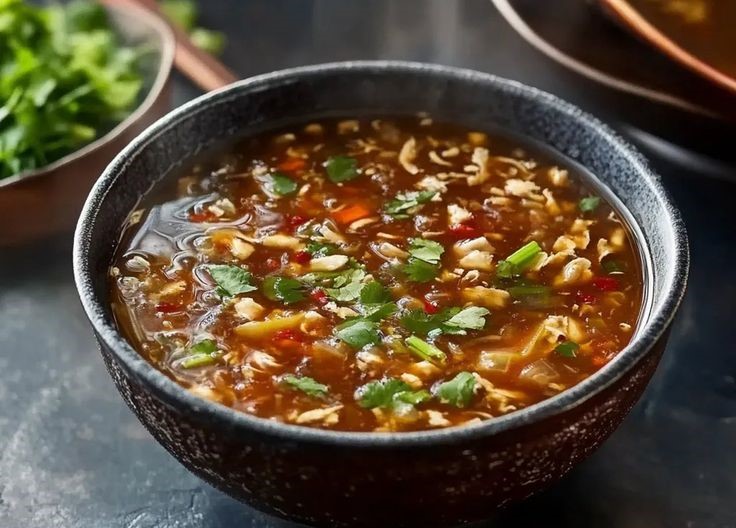
Indians share a common desire for food that is balanced with the heat and tang. These flavors makes you feel excited and keeps your sensory senses occupied.
Customer-favorite tangy elements:
- Tamarind
- Lemon
- Raw mango (kaccha aam)
- Amchur (dry mango powder)
- Chaat masala
- Vinegar-based pickles
Spice-forward elements:
- Red Chili
- Green chili
- Black pepper
- Ginger
- Garlic
The reason they won:
Combinations of spice and fruit are delightful in chaats, snacks street food, as well as fast bites that are modern. They increase appetite and rejuvenate the taste buds.
Street-Style Flavors: Always Trending, Always Loved
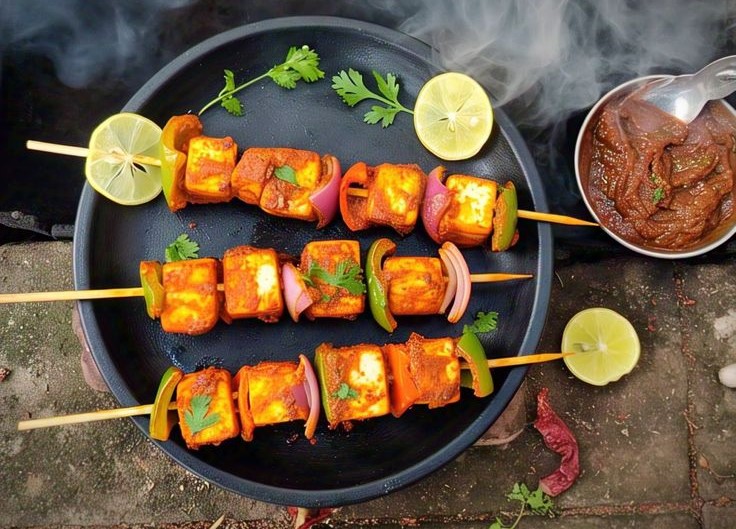
From students in college to families, food tastes from street vendors are emotionally connected to Indians.
Popular street-style flavor inspirations:
- Pani puri masala
- Pav bhaji butter mix
- Vada pav chutney
- Schezwan chutney
- Tandoori mayo
- Spiced street-style corn
- Gobi Manchurian gravy
Street food flavorings can also be found in:
- Burgers
- Wraps
- Momos
- Fries
- Sandwiches
- Fusion bowls
What makes them win:
Street flavours remind us of fun-filled outings with friends, low cost and a bold flavor. They are also extremely effective for QSR as well as catering menus for delivery.
South Indian Flavors: Comforting, Aromatic & Versatile
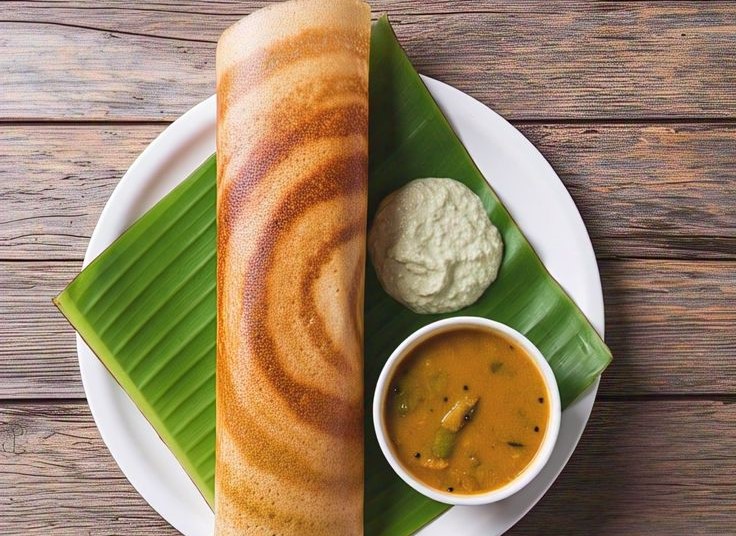
South Indian flavors have been gaining national and international acceptance.
Popular flavor profiles:
- Gravies made from coconut
- Curry leaves and tempering with mustard
- Tamarind-rich rasams
- Pepper spice blends
- Malabar along with Chettinad masalas
- Spices like rasam and sambar
What makes them win:
The flavors in these are aromatic delicious, tasty, and nutritious that appeal to both traditional eaters and contemporary health-conscious people.
Regional Indian Flavors: Hyperlocal But Rising Nationally
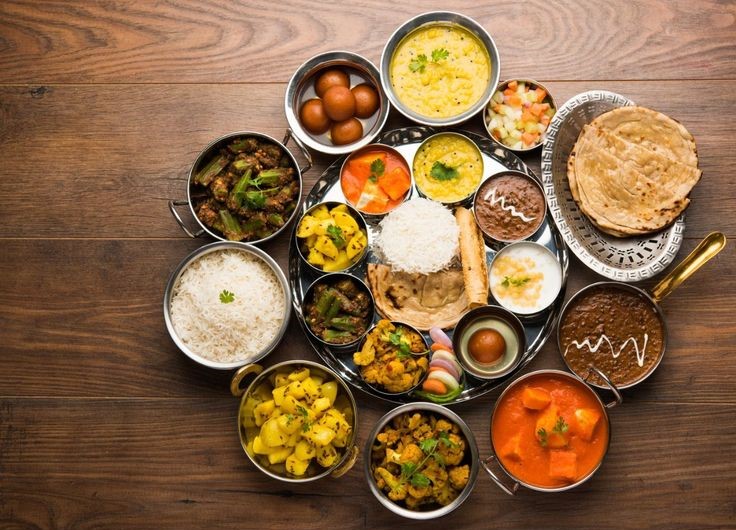
The growth of regional cuisine has affected the food industry, including restaurants as well as packaged companies.
New regional favorites in the making:
- Rajasthani laal maas spice
- Bengali mustard-kasundi
- Goan the Xacuti
- Northeastern Ghost chilli flavours
- Lucknowi Kebab masala
- Himachali flavor profiles based on dhaam
- Hyderabadi biryani spice
The reason they won:
Contemporary customers want authentic experiences in culture. Local cuisines offer stories as well as heritage and authenticity.
Global Fusion Flavors with an Indian Tsp
India is a lover of trying out new cuisines from around the world, but only if they are in line with Indian tastes.
Globally-inspired and popular flavors
- Indo-Chinese (schezwan, Manchurian, chilli garlic)
- Italian that contains Indian spices (desi pizza sauces masala pasta)
- Style Mexican Indian tacos and Nachos
- Middle Eastern shawarma flavors along with Indian spices
- Asian bowls that have Indian toppings
The reason they won:
The global flavors are more interesting when they are paired with Indian spicy intensity and acidity. Restaurants that offer fusion cuisine that is smart are always popular with younger customers.
Sweet Flavors: India’s Eternal Weakness

Indian consumers love desserts which blend traditional with contemporary style.
Popular sweet flavor categories:
- Saffron and cardamom
- Gulkand, rose and
- Coconut and jaggery
- Rabri Kulfi, HTML0 and malai
- Sweets baked featuring Indian flavor (rasmalai cake gajar cheesecake, halwa)
- Choco with chili, or masala variations
What makes them win:
The sweetness of India isn’t only sugar, it’s also emotion as well as celebration, nostalgia, and.
Smoky and Tandoori Flavors: A National Favorite
Tandoor-based flavours are universally acceptance throughout India.
Smoky flavor ideas for popular smoky flavors:
- Tandoori marinades
- Smoked Butter
- Angara masala
- Grilled charcoal flavors
- Smoked Dal and curries
The reason they won:
The smokey flavor of the food can bring back the royal dining experience and lend food rich, strong persona.
Comforting Home-Style Flavors: The Post-Covid Hero
Following Covid-19, consumers have begun to seek out food that is familiar, secure, and comfortable.
Comfort-driven flavors:
- Light dal-tadka
- Sabzis in the style of Ghar
- Light curries of the home
- Gravies lightly spiced
- Khichdi, Rotis and rice bowls with no fancy ingredients
The reason they won:
These flavors provide emotional comfort, health reassurance, and daily reliability–especially in cloud kitchen and tiffin menus.
Health-Focused Flavors: Growing Fast Among Urban Consumers
Healthy customers are looking for flavorful foods that don’t cause guilt.
The most popular health-conscious flavor:
- Turmeric Latte
- Bowls made of millet
- low-oil Indian curries
- Salads with herbs
- Gluten-free bread alternatives that include Indian seed mix
The reason they won:
They mix nutrition with flavor and appeal to gyms, people who work, as well as wellness-focused eaters.
Conclusion: Food Flavors That Win India Combine Tradition, Innovation & Emotion
India’s tastes are diverse as they change and are deeply emotional. The most popular flavors for clients are the ones that
- Get connected to culture
- Bold, vibrant flavor
- Blend spice and comfort
- Create a new look without loosing trust
- Combine global thoughts with Indian energy
for food and restaurant brands, the secret to success is knowing the regional tastes, trying out with a sense of humour, and offering tastes that are both relaxing as well as exciting.
When companies align their menus, offerings and new ideas with tastes India really loves and appreciates, they provide memorable dining experiences and customers who are loyal for a long time.

About Author sheelu456
You May Also Like…

Lounge Bar Success Secrets: Advice from Industry Professionals
IntroductionLounge bars are now the center of contemporary nightlife. They offer the perfect blend of class and...
Original Dining Themes to Elevate Your Restaurant Idea
IntroductionIn today's highly competitive restaurant and hospitality business, the importance of having excellent food...