




- Introduction
- Basmati Rice -- The Aromatic Long Grain
- Sona Masoori -- Lightweight and Versatile
- Jasmine Rice -- Soft and Fragrant
- Gobindobhog Rice -- Traditional Bengali Delight
- Black Rice -- Nutty and Rich in Antioxidants
- Red Rice -- Earthy and Nutrient-Rich
- Ponni Rice -- South Indian Staple
- Kolam Rice -- Affordable Everyday Choice
- Idli Rice -- Short Grain for Fermentation
- Matta Rice -- Kerala's Traditional Choice
- BPT Rice -- Premium Long-Grain Variety
- Ambemohar Rice -- Fragrant and Unique
- Conclusion
- Frequently Asked Questions
Introduction
Rice is an integral part of Indian dishes and forms the basis of everyday meals throughout the United States. Its variety of aroma as well as texture and taste rice isn’t just an ingredient in food It’s an expression of India’s rich heritage in agriculture as well as the regional cuisine traditions. From the sweet rice of north India to the distinctive red and black rice varieties from southern India. India has an incredible variety of rice varieties to suit every occasion and taste.
In this book we’ll look at India’s most sought-after rice cultivars, and discuss the characteristics, benefits and distinctive qualities.
Basmati Rice — The Aromatic Long Grain
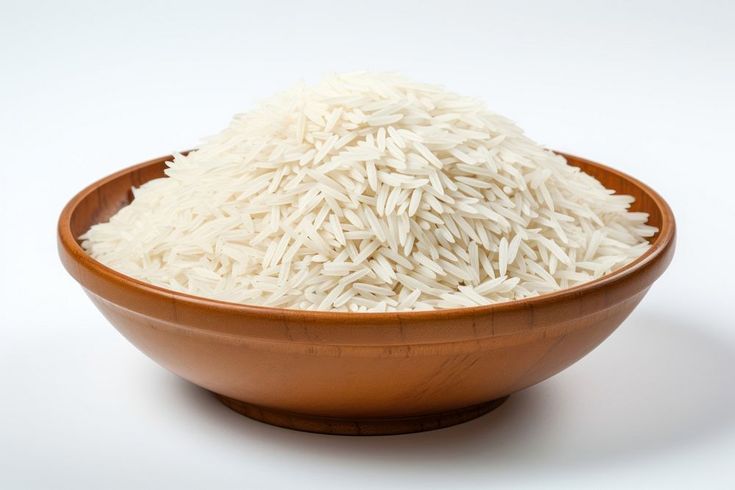
Basmati rice is the most well-known rice in India that is known for its lengthy thin grains, slim grain size and unique scent. It is primarily grown in Northern state comprising Punjab, Haryana, and Uttarakhand, Basmati is often served in celebration dishes as well as special occasions.
Flavor Profile: Sweet Aromatic, sweet, and mild.
The best uses are: Biryani, pulao, Fried rice, and rice dishes that are steamed.
TIP Re-rinse Basmati rice prior to cooking it in order to increase the fluffiness of the rice and also make sure to separate the grains.
Sona Masoori — Lightweight and Versatile
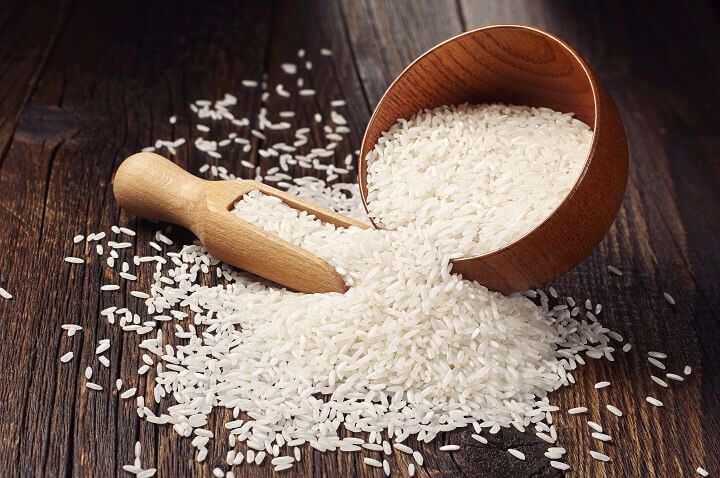
Sona Masoori, also known as “Masoori,” is moderate-grain, cultivated rice predominantly within Andhra Pradesh and Karnataka. It’s mild, fragrant, and digestible and digest, which is why it’s a preferred option for meals on the go.
Flavor Profile: Light flavor, with a hint of nutty. It is smooth.
The best uses for it: South Indian meals like dosa, idli as well as simple steamed rice.
TIP: Great for health-conscious diets because of its light texture and less starch content.
Jasmine Rice — Soft and Fragrant
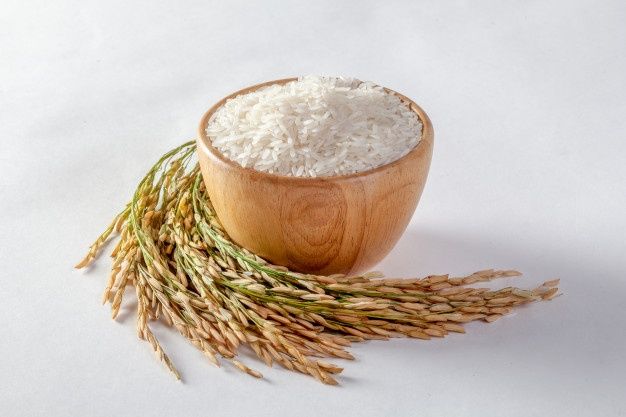
Originating originates from Thailand Jasmine rice is a staple in Thai cuisine. It has been gaining popularity in Indian kitchens due to the soft and fragrant grains. The rice cooks to a sticky texture and is a great match with curries, stir-fries and other dishes.
Flavor Profile: Sweet scent Soft texture, somewhat dry.
Most effective uses: curries, stir-fried rice and Asian-inspired meals.
TIP: Cleanse gently so that it retains its scent and softness.
Gobindobhog Rice — Traditional Bengali Delight
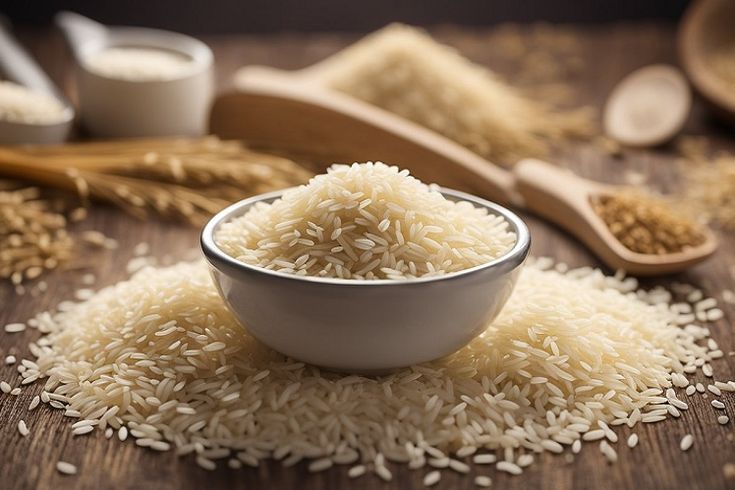
Gobindobhog is a short-grain delicious rice of West Bengal. It is prized due to the sweet scent and its smooth and sticky texture. This makes it a perfect choice to be used in traditional Bengali food items.
Flavor Profile: Sweet, aromatic and the perfect amount of sticky.
Most effective uses: Bengali desserts like payesh (rice pudding) and the khichuri.
Tips: Cook gently to preserve the flavor and aroma.
Black Rice — Nutty and Rich in Antioxidants
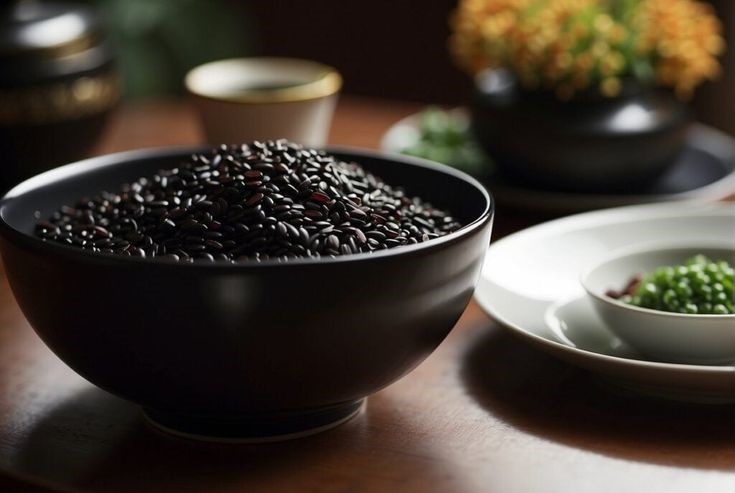
The black rice, also referred to in the past as forbidden rice is the deep dark purple and black hue due to its the high content of anthocyanin. It is high in antioxidants and has a mild bitter taste.
Flavor Profile: Earthy slightly sweet, and nutty.
The best uses are: Salads, stir-fries, as well as desserts.
Tips: Soak the dish for at least a couple of hours before making the dish to cut down on the cooking time as well as increase the flexibility.
Red Rice — Earthy and Nutrient-Rich
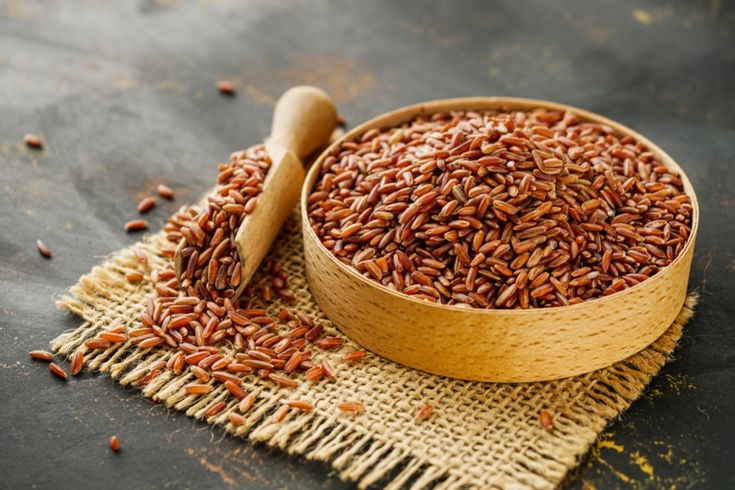
Red rice is a non-polished cultivar that is widely grown in Kerala and the Northeastern States. The reddish brown color is due to the bran layer which is high in fiber as well as iron and other minerals.
Flavor Profile: earthy, sweet, and slightly chewy.
Ideal Uses: Healthy food items, cooked rice and salads.
TIP: Mix it the curries and light vegetable dishes that complement the earthy taste.
Ponni Rice — South Indian Staple
The Ponni rice is a medium-grain variety of rice cultivated throughout Tamil Nadu. It’s light, soft and slightly sticky once cooked. This makes it the perfect choice for your daily South Indian meals.
Flavor Profile: Light soft and sticky.
The best uses are Idli, dosa, rice steamed as well as Sambar rice.
Tips: Wash well and cook just a little less water so that you can retain the fluffiness.
Kolam Rice — Affordable Everyday Choice
Kolam rice can be described as a moderate-grain, steamed rice that’s popular found in Maharashtra, Karnataka, and Tamil Nadu. It’s inexpensive, soft and quick to cook. This makes it the preferred choice of householders.
Flavor Profile: Light and neutral, which allows curry sauces and curries to shine.
Ideal Uses: Rice steamed or khichdi. Also, all-day dinners.
Tips: Rinse the rice thoroughly to get rid of any excess starch. This will result in more fluffy rice.
Idli Rice — Short Grain for Fermentation
Idli rice is a small-grain rice that is specifically designed for fermented South Indian dishes like idli and dosa. The starch content of the rice helps create the soft and spongy texture which defines these meals.
Flavor Profile: neutral, slightly sticky after being made into batter.
Most effective uses: Idli, dosa, as well as other batters that are fermented.
Tips: Mix Urad Dal at the proper proportion to ensure a perfect fermentation.
Matta Rice — Kerala’s Traditional Choice
Matta rice, often referred to Rosematta rice is a coarse reddish brown rice native to Kerala. It is characterized by a distinct flavor with a chewy texture. most often used in the traditional Kerala food items.
Flavor Profile: Earthy sweet, and slightly chewy.
The best uses are Indian-inspired rice dishes Red rice porridge as well as traditional curries.
TIP: Soak your food prior to making the dish to speed up cooking and increase flexibility.
BPT Rice — Premium Long-Grain Variety
BPT (Broken Parboiled Traditional) rice is a variety of long-grain that’s found in the southern part of India. It’s partially cooked within the husk. This increases its nutritional value as well as flavor.
Flavor Profile: Light soft, firm, and fragrant.
The best uses are: Biryani, pulav, and rice cooked in steamed form.
Tips: Wash lightly to preserve aroma and stop the formation of a sticky substance.
Ambemohar Rice — Fragrant and Unique
Ambemohar rice an aromatic, short-grain rice that comes from Maharashtra is named for its mango-like aroma (“Ambemohar” is a reference to “mango blossom”).
Flavor Profile: Fresh, sweet and floral.
The best use for this is traditional Maharashtrian meals, desserts as well as special celebrations.
TIP: Handle gently while cooking to keep the delicate scent.
Conclusion
From the scrumptious Basmati from the north, to the rich Matta of Kerala as well as the nutritious white and red varieties, India offers a diverse and interesting variety of rice. Integrating these rice varieties into your food choices not only gives you different tastes, but it also allows you to understand India’s extensive cultural and agricultural tradition.
When you’re planning your dinner, think about going over the norm and look into the best 10 varieties of rice from India with each one providing a distinct taste experience which is worth enjoying.
Frequently Asked Questions
- What kinds of rice exist in India?
There are around 600 varieties of various rice available in India.
- Which is India’s most sought-after rice that is consumed in India?
Basmati is among the most sought-after varieties of rice found in India.
- What color is natural rice?
Naturally, rice comes in hues of white, which range from transparent to opaque. If the bran layer is preserved, like in brown rice can be found with an ethereal brown or light tan hue. The exact hue may vary dependent on the kind of rice.
- What is the rice with the least carbohydrates?
Wild rice is lower in carbs than normal rice. In a cup (164 grams) of cooked wild rice, you will find 32 grams in net carbohydrates. Wild rice also has antioxidants that are healthy.
- Do you think rice makes your stomach weighty?
The consumption of rice alone doesn’t cause abdominal fat. In the case of eating a lot of rice, specifically refined white rice in huge portions can cause the weight gain and stomach fat. Be mindful to limit your intake and keep a balance between rice intake along with healthy food choices that you consume in your food plan.

About Author sheelu456
You May Also Like…

Lounge Bar Success Secrets: Advice from Industry Professionals
IntroductionLounge bars are now the center of contemporary nightlife. They offer the perfect blend of class and...

Original Dining Themes to Elevate Your Restaurant Idea
IntroductionIn today's highly competitive restaurant and hospitality business, the importance of having excellent food...