


- Introduction
- Cooking Equipment
- Refrigeration Equipment
- Food Preparation Equipment
- Storage and Shelving
- Dishwashing and Sanitation Equipment
- Beverage and Specialty Equipment
- Smallwares and Utensils
- Safety and Compliance Equipment
- Choosing the Right Commercial Kitchen Equipment
- Maintenance and Longevity
- Conclusion
Introduction
A successful food or restaurant business demands more than great food recipes and highly skilled chefs. You need an efficient kitchen that is designed to provide security, efficiency and capacity. Commercial kitchen equipment is the foundation for any successful food business. Knowing what equipment is necessary and how to select the most appropriate equipment and maintaining these tools can make a huge improvement in cost of food and profits.
This guide is comprehensive and will take you through the main types of kitchen appliances for commercial use as well as their uses, along with guidelines for choosing and taking care of these items.
Cooking Equipment
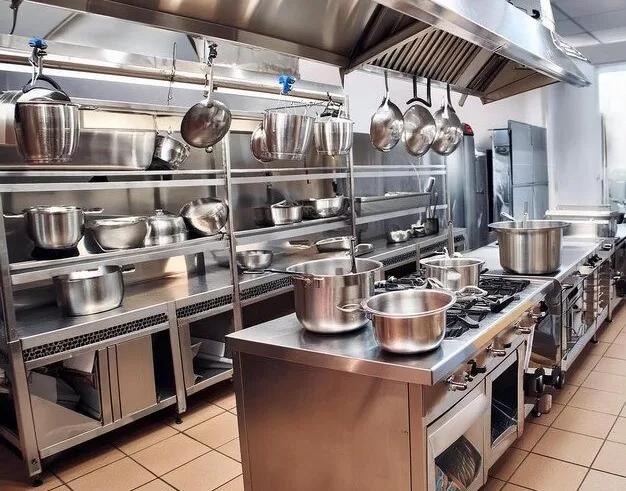
Equipment for cooking is the core of every commercial kitchen. With the right equipment, you can ensure consistency in high-quality food, quicker preparation and security for employees. The most common cooking tools are:
- Ovens and Ranges Electric or gas ranges as well as convection ovens and deck ovens are vital to bake, roast and broiling. Convection ovens can be particularly useful to ensure even cooking, and speedier time to prepare.
- Grills and Griddles: Perfect for searing, cooking or grilling. Griddles with flat tops are great to prepare breakfast foods as well as sandwiches and other.
- Deep fryers: In restaurants that offer fried foods Energy-efficient fryers that have precise temperature controls are crucial.
- Microwaves and specialty cookwares They speed up heating or preparation work, whereas specific cookers like pasta cookers, tandoors, or even tandoors can cater to particular dishes.
Tips: Select the right equipment according to the needs of your menu as well as kitchen space and the workflow of staff to maximize effectiveness.
Refrigeration Equipment
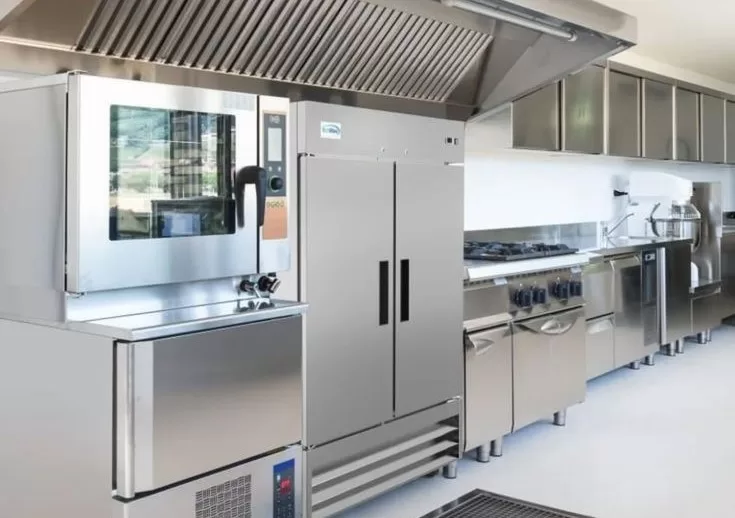
Food safety is a must for any commercial kitchen. Equipment for refrigeration keeps food items in good condition and helps prevent contamination.
- Reach-In Refrigerators and Freezers They are essential to store your daily ingredients. Make sure they are equipped with adjustable shelves to allow for a variety of uses.
- Walk-In Freezers/Colders: Perfect for large-scale operations, they can be used to store bulk quantities of items and prepared foods.
- Prep Tables with Refrigeration Workspace and cooling can be combined to provide preparation tasks, streamlining the process.
- Blast Chillers: Immediately reduce the temperature of your food in order to keep freshness intact and ensure compliance with standards for food safety.
TIP: Choose energy efficient models, and check temperature frequently in order to ensure that you are complying with health standards.
Food Preparation Equipment
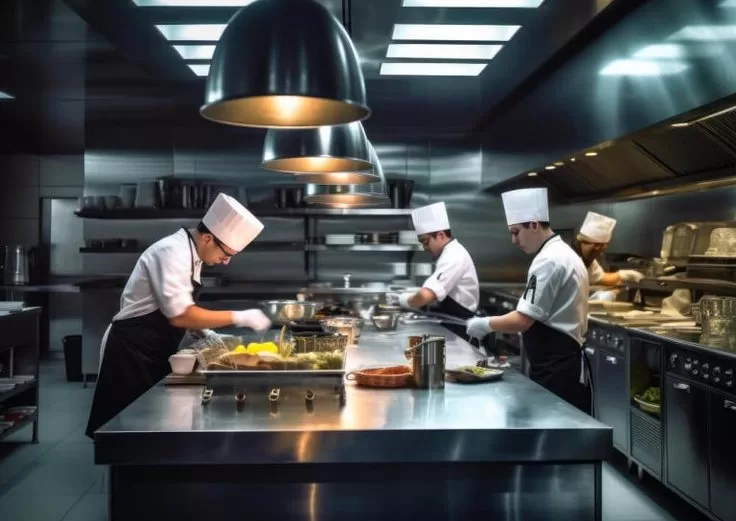
A successful food preparation process requires the proper mix of tools to reduce time and increase the consistency of your food:
- Food Processors and Blenders Chop, blend and blend ingredients rapidly and evenly.
- Mixers: Stand mixers as well as Planetary mixers are crucial in baking as well as large-batch cooking.
- Slicers and cutters ensure exact cuts and precise portion control cutting down on time and wasted.
- Peelers and Graters: manual as well as electric models speed up preparation for cheese and other vegetables.
Tips: Select multi-functional appliances to increase the efficiency of your workspace Particularly in smaller kitchens.
Storage and Shelving

Storage that is organized will help you organize your kitchen, which reduces the amount of clutter and improves security:
- Shelving Units: The stainless Steel shelving is strong, simple to maintain, and impervious to corrosion.
- Dry Storage Cabinets Store food items that are dry, spices and other non-perishable goods clean and pest-free.
- Ingredient Bins and Containers These containers are airtight and preserve freshness. They also help in the management of inventory.
TIP Note everything clearly, and follow the first-in-first-out (FIFO) rotation in order to reduce loss.
Dishwashing and Sanitation Equipment
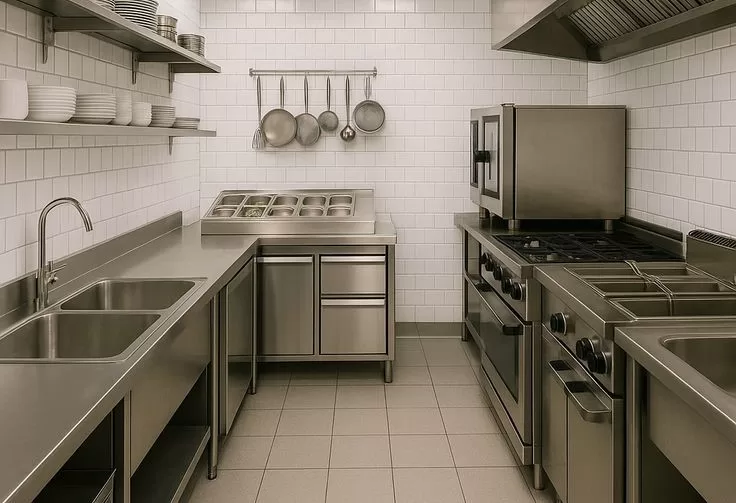
The cleanliness of a commercial kitchen. Equipment that is properly maintained ensures sanitation and accelerates cleaning up after the service:
- Commercial Dishwashers: High temperature or chemically-based dishwashers clean and sterilize quickly.
- Handwashing and sinks Sinks with multiple compartments for washing as well as rinsing and cleaning are vital.
- Waste Disposal Units: Garbage disposals compost bins and recycling stations are designed to maintain sanitation.
TIP: Pick durable stainless steel sinks, and think about the energy and water efficient dishwashers for a lower operating cost.
Beverage and Specialty Equipment
In restaurants that offer food or beverages that are specialized it is essential to have additional equipment:
- Espresso Machines as well as Espresso Makers are essential for cafes, hotels and breakfast-oriented eateries.
- Ice Machines: Essential to serve drinks, food preparation as well as for display.
- Juicers and Soda Dispensers and Blenders: Accelerate beverage service and keep the consistency.
- Specific Cooking Equipment for Specialty: Based upon your food preferences it could be wok ranges and tandoors or steamers.
TIP: Match your equipment to the menu you have selected and your expected volumes so that you don’t suffer from performance issues during peak times.
Smallwares and Utensils
Although major appliances are crucial but small appliances are just as important to run a day-to-day operation:
- Bakery and cookware Pans baking sheets, pans and roasting tray.
- Custodial and Knives of the highest quality: Top-quality knives increase efficiency and ensure safety.
- Measurement Tools Measurement cups, scales and spoons guarantee consistency in recipe consistency.
- Servingware: Bowls, plates and serving utensils which are consistent to your restaurant’s style and design.
TIP: Buy high-quality, commercial grade kitchenware to stand up to the demands of daily use.
Safety and Compliance Equipment
Securing the safety of customers and staff is essential:
- System for Fire Prevention: Autonomous appliances to smother the flames in your kitchen.
- Ventilation Hoods and Exhaust Systems Eliminating the smell of smoke, steam and odors, while preserving the quality of air.
- The First Aid Kits as well as Safety signs Make sure you are in compliance with safety laws.
- Non-slip Mats and protective Gear reduce workplace injuries and improve safety of employees.
Tips: Ensure that you regularly inspect and repair safety equipment in order to meet the local regulations for health and safety.
Choosing the Right Commercial Kitchen Equipment
When selecting kitchen equipment, consider:
Food Requirements: Your equipment should be in sync with the food items you prepare.
Kitchen Layout and Space Be sure to avoid overcrowding and allow for easy mobility for employees.
Capacity & Volume: Align the your equipment with the expected volume of your customer.
Energy Efficiency: Pick designs that cut down on energy use as well as water usage.
Guarantee and durability: invest in high-end commercial equipment that comes with solid assistance and warranties.
Maintenance and Longevity
Regular maintenance will ensure the longevity of equipment and minimizes the time it takes to repair:
- Wash appliances every day as per the guidelines of the manufacturer.
- Regularly schedule maintenance for ovens, fryers as well as refrigeration units.
- Training staff on how to use equipment in a safe and efficient manner.
- Record all the schedule of maintenance and repairs.
TIP Reminder: Preventive maintenance is less expensive than emergency repairs, and will ensure the smooth running of kitchen operations.
Conclusion
Commercial kitchens are more than a space to be used as it’s the fuel which is the driving force behind your restaurant’s success. Making sure you have the best equipment, from large appliances to smaller items, can affect the quality of food, effectiveness, and the efficiency of staff. When you carefully select, arranging and maintaining kitchen appliances will set the stage to build a profitable, thriving and hygienic food industry.
A complete guide for commercial kitchen equipment isn’t simply about purchasing machines, it’s about making a practical, effective and enjoyable environment that encourages creative cooking can flourish. The kitchen that is well-equipped lets chefs concentrate on the most important thing and that is delighting their customers by providing exceptional services and food.

About Author sheelu456
You May Also Like…

Lounge Bar Success Secrets: Advice from Industry Professionals
IntroductionLounge bars are now the center of contemporary nightlife. They offer the perfect blend of class and...
Original Dining Themes to Elevate Your Restaurant Idea
IntroductionIn today's highly competitive restaurant and hospitality business, the importance of having excellent food...