


- Introduction
- Why Food Safety Matters More Than Ever
- What Do Food Safety Consultants Actually Do?
- 1. Assessing The Current Hygine And Safety Practices
- 2. Developing Food Safety Management Systems (FSMS)
- 3. Staff Training And Awareness Programs
- 4. In Compliance In Accordance With Local & National Laws
- 5. Kitchen & Layout Planning For Food Safety
- 6.Third-Party Certifications and Audit Readiness
- 7. Ongoing Monitoring And Safety Culture Building
- Real Benefits For Restaurant Owners
- Benefit Impact
- Conclusion
Introduction
In today’s highly competitive and conscious eating environment Food safety isn’t something to be taken lightly. It’s a must. An outbreak of foodborne illnesses or an unsatisfactory hygiene check can ruin the reputation of a restaurant immediately. Many restaurants are struggling to meet ever-changing regulations for food safety.
This is where food safety experts are in. They play an essential part in helping restaurants create the necessary, efficient, and strong food safety procedures to safeguard staff, customers and even the restaurant’s own brand.
Let’s look at why their function is crucial and how they protect the foundations of your restaurant’s business.
Why Food Safety Matters More Than Ever
Food safety concerns more than hygiene. It’s about safeguarding the health of your patrons, maintaining trust and ensuring legal compliance. As awareness grows among consumers and stricter regulations from the government (like FSSAI in India or FDA guidelines in the U.S.), restaurants should implement security systems in a proactive manner, not react to problems.
Food safety issues can have negative consequences. are:
- Injury or illness of the customer
- Poor review sites and damaging PR
- Legal fines, penalties, or closures
- Demotivation or staff attrition
- Permanent loss of trust in customers
What Do Food Safety Consultants Actually Do?
Food safety specialists are educated experts, often with certificates such as FSSAI, HACCP, ISO 22000. They work with restaurant owners to develop and supervise food safety procedures. They offer an objective and professional view of the kitchen staff, chefs as well as processes in order to decrease the risk of food safety and to improve operational efficiency.
This is what their typical role will be:
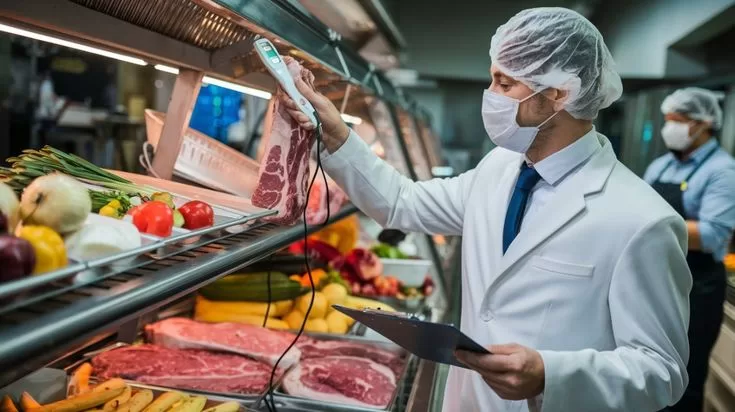
1. Assessing The Current Hygine And Safety Practices
A consultant starts by conducting a complete audit or analysis of your current circumstances:
- Are your food preparation and storage methods conforming to the regulations?
- Do the expiry dates as well as temperature logs, the cleaning schedules being followed?
- Does the staff have a formal education on safety and sanitation?
- Are there risks of cross-contamination?
This audit baseline helps you uncover crucial controls (CCPs) as well as weaknesses which could cause problems with safety.
2. Developing Food Safety Management Systems (FSMS)
Consultants assist in the implementation of formal systems that are based on international norms such as:
- HACCP (Hazard Analysis & Critical Control Points)
- ISO 22000 Food Safety Management System
- FSSAI Hygiene Rating Compliance (India)
They develop or refine the documentation, processes or SOPs (Standard Operating Procedures) as well as safety checklists which are in line with the style and size of the restaurant.
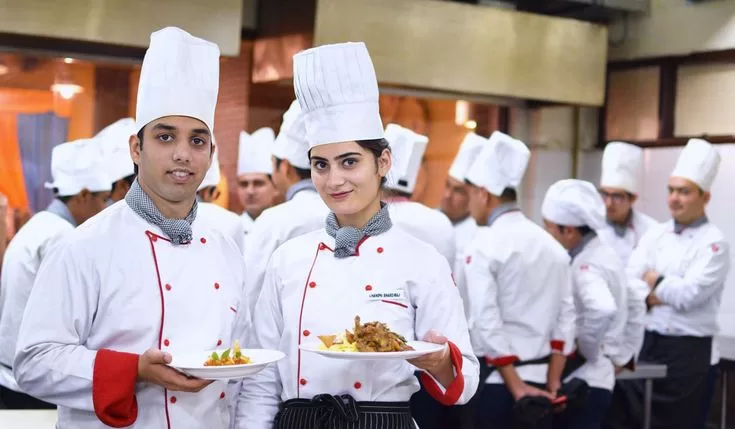
3. Staff Training And Awareness Programs
Every safety measure can fail if not executed properly. Consultants regularly conduct training sessions covering:
- Hygiene at home (hand washing, gloves use and grooming)
- Safe food handling & storage
- Cleaning & sanitization protocols
- Allergen awareness
- Procedures for emergencies in case of illnesses or contamination
Managers and chefs in becoming safety champions.
4. In Compliance In Accordance With Local & National Laws
Every nation (and even cities) is subject to food safety regulations that must be adhered to, and keeping track of the regulations is a struggle for any busy restaurant owner. Consulting consultants help to ensure compliance with:
- FSSAI (India) or local licensing regulations
- Periodic audits and rating of hygiene system
- Documentation requirements (e.g., pest control logs, supplier certifications, etc.)
Their knowledge keeps you one step ahead of any legal or regulatory questions.
5. Kitchen & Layout Planning For Food Safety
Consultants are frequently employed during restaurants or during renovations for advice regarding:
- Workflow flow design that differentiates cook and raw zones
- The proper placement of sinks, vents, and storage
- Controlling pests and ventilating the area is a must.
- The equipment you choose and the hygiene compatibility
This approach to preventative care reduces costs and risks in the long run.
6.Third-Party Certifications and Audit Readiness
Restaurants who are looking to obtain accreditations (like ISO, HACCP, FSSAI Hygiene Rating or GFSI) greatly benefit from the experience of a consultant with:
- Preparing documentation
- Staff training to ensure that they comply with audit requirements
- Conducting mock audits
- Collaboration with the certifying organizations. Coordinating with certifying
It builds more than just compliance, but credibility.
7. Ongoing Monitoring And Safety Culture Building
Consultants do more than “fix” a single issue. They aid in the development of the foundation for a safe food culture by:
- Internal audits that aren’t as expected
- Review of the safety logs regularly as well as records
- The SOPs are updated based on menu or seasonal changes
- Digital checklists are now available, IoT thermometers, and technology devices
Their roles evolve from advisory to a permanent partner for risk-prevention.
Real Benefits For Restaurant Owners
What restaurant owners can benefit from engaging the services of food safety experts:
Benefit Impact
Expertise, but without full-time employment Reduces costs, and gains top-of-the-line information
Risk reduction Fewer complaints, less illness, fewer closures
Efficiency of operations clean kitchens Less waste, improved work flow
Improved discipline for staff A well-trained, vigilant and responsible team
Regulated peace of mind Food inspectors isn’t going to be surprised.
Brand Value More positive reviews, better hygiene ratings as well as the confidence of
Easier expansion Systems for food safety that scale to multiple-location expansion
Conclusion
A Smart Investment, not a Cost
In a business where reputation is all that matters Food safety is a must. Restaurants that take it carefully enjoy smoother operation as well as happier customers. more long-term prosperity.
Finding a qualified food safety expert isn’t just about ensuring that you meet legally-required standards, it’s about establishing trust, decreasing the risk and creating a name that consumers feel comfortable returning repeatedly.

About Author sheelu456
You May Also Like…

Lounge Bar Success Secrets: Advice from Industry Professionals
IntroductionLounge bars are now the center of contemporary nightlife. They offer the perfect blend of class and...

Original Dining Themes to Elevate Your Restaurant Idea
IntroductionIn today's highly competitive restaurant and hospitality business, the importance of having excellent food...